
Last Updated: August 2026
Can You Sell an ‘Ugly’ House Fast for Cash?
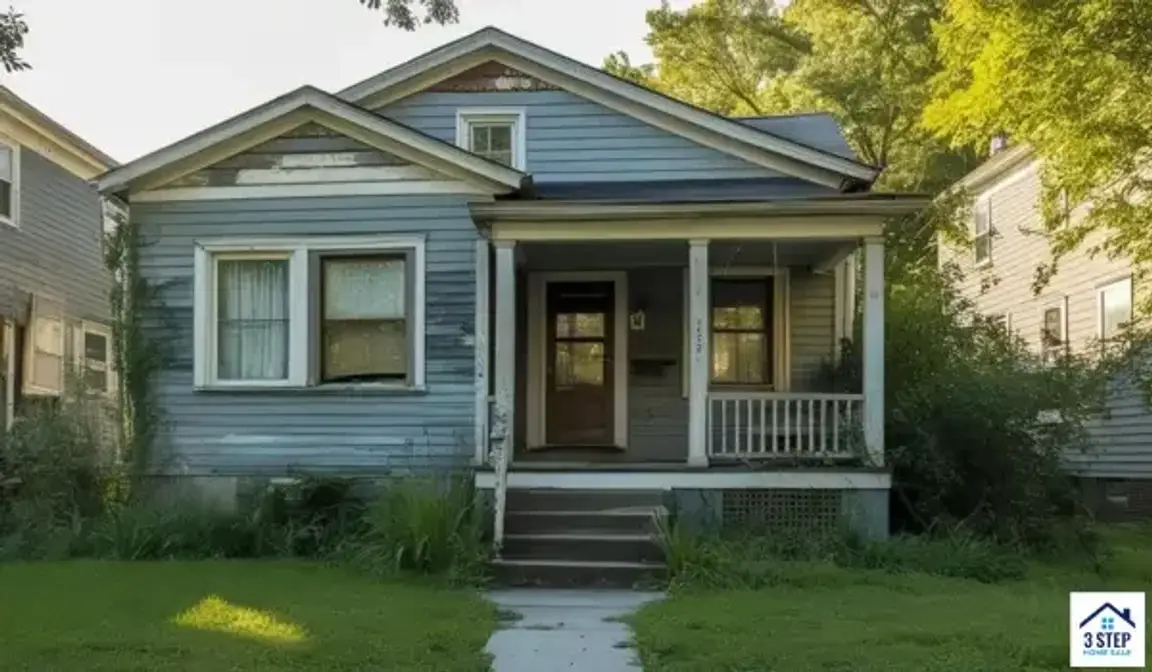
Not every home is picture-perfect. Some properties have worn-out roofs, outdated wiring, sagging floors, or decades of deferred maintenance. Others have suffered damage from leaks, storms, or long-term neglect. These “ugly” homes, also known as distressed or heavy-repair properties—can feel impossible to sell through traditional channels.
But here’s the truth: You don’t need a perfect home to get a solid cash offer. Cash buyers have built an entire industry around purchasing problem properties exactly as they are—no repairs, no updates, no stress.
With 3 Step Home Sale, you can sell an ugly or repair-heavy home as-is, get a competitive cash offer, and close without the usual stress.
Understanding the Rise of “Ugly” Homes in Today’s Market
More homes are aging and aging hard
Across the country, more houses are crossing the 30-, 40-, and 50-year mark. As homes age, big-ticket items naturally start to fail: roofs deteriorate, plumbing corrodes, breakers overload, foundations shift, and old HVAC units tap out.
Even well-maintained homes eventually reach a point where major systems die out at the same time. And for properties that haven’t been maintained, the problems stack up even faster.
Homeowners are spending more on repairs than ever
Recent homeowner surveys and industry estimates consistently show that repair costs have risen sharply due to labor shortages, material price increases, and demand for renovation services.
While figures vary by region and severity of repair, national averages point to:
- Routine upgrades like carpet and paint easily costing several thousand dollars
- Major items like roofs, HVAC systems, and plumbing lines routinely running into the five-figure range
- Full renovations costing anywhere from tens of thousands to well over six figures for older or neglected homes
In other words, it’s becoming harder and more expensive for homeowners to keep their properties in top condition.
Many owners can’t afford massive repair projects
Between inflation, rising living costs, and tighter household budgets, many sellers simply don’t have:
- The savings to fund big repairs
- The time to oversee contractors
- The ability to live in a construction zone
- The willingness to gamble on a renovation just to maybe get a higher sale price later
These financial and practical barriers are exactly why distressed homes have become such a strong niche in the real estate market. And cash buyers are filling the gap.
What Qualifies as an “Ugly House”?
Many homeowners assume their property is too damaged to sell, but an “ugly house” doesn’t have to be falling apart. In real estate, the term usually refers to a home that’s difficult to sell through the traditional market because of its condition, age, or maintenance needs.
Examples include:
- Outdated kitchens and bathrooms
- Original flooring from decades ago
- Roof nearing the end of its life
- Foundation or structural concerns
- Fire, smoke, or water damage
- Mold problems
- Code violations
- Hoarder homes
- Vacant properties
- Houses with inherited belongings
- Rental properties with tenant damage
The good news is that these issues don’t automatically make a property unsellable. Many cash home buyers actively look for homes needing repairs because they’re prepared to renovate them after closing.
If you’re debating whether to spend thousands fixing your house first, it’s worth comparing your expected renovation costs with the convenience of selling as-is. For many homeowners, avoiding months of repairs, contractor delays, and carrying costs outweighs the possibility of a slightly higher listing price.
Why Most “Ugly Homes” Don’t Sell Easily on the Open Market
Selling a distressed property traditionally means trying to attract buyers looking for their “dream home”—and that’s a tough sell when the house has visible issues.
Traditional buyers usually want move-in ready homes
Most retail buyers are:
- Using financing (which requires minimum property standards)
- Looking for homes they can immediately live in
- Not interested in doing major renovations
- Worried about hidden repair risks
If your home needs heavy work, these buyers typically won’t qualify—or won’t be interested.
Lenders often reject distressed properties
Homes needing major repairs commonly fail bank appraisals or inspections required for financing programs like FHA, VA, or USDA loans. This creates delays, renegotiations, or cancelled contracts.
Even conventional loans require certain safety and habitability standards that distressed homes struggle to meet.
Renovating before selling is expensive and risky
To attract traditional buyers, sellers often feel pressured to fix everything, sometimes spending tens of thousands of dollars without any guarantee of a return. This is especially risky when:
- Repair timelines stretch for months
- Additional issues get uncovered mid-project
- Material costs fluctuate
- The final sale price depends on buyer demand at the time of listing
A cash sale eliminates these risks completely.
How Cash Buyers Solve the Problem of “Ugly” Homes
Cash buyers, whether investors, renovation companies, or local home-buying teams, exist specifically to purchase damaged, outdated, and neglected properties as-is. Here’s how they bring solutions to homeowners who feel stuck.
1. They eliminate the need for repairs entirely
Cash buyers specialize in purchasing homes in any condition. They handle:
- Cosmetic issues
- Structural problems
- Code violations
- Water, fire, or mold damage
- Full-scale renovations
You don’t lift a hammer, hire a contractor, or pay for any improvements.
2. They streamline the selling process
A traditional listing may require:
- Showings
- Staging
- Pre-listing repairs
- Inspections
- Appraisals
- Lender approvals
- Weeks of negotiations
Cash buyers bypass all of that. No staging. No open houses. No surprises.
3. They close quickly, often in 7–14 days
Because there’s no mortgage involved, cash buyers can close in a fraction of the time. They use:
- Their own funds
- Title companies
- Simple purchase agreements
This is especially helpful for sellers dealing with urgent timelines, such as relocation, financial distress, or inherited homes they want to settle quickly.
4. They take on all the renovation risk
Once the buyer takes ownership, they assume responsibility for the property’s condition.
They are the ones who:
- Pay for all repairs
- Manage contractors
- Absorb unexpected issues
- Handle carrying costs like utilities and taxes while renovating
You walk away without the stress or financial burden.
5. They often cover your closing costs
Most reputable cash buyers cover:
- Title fees
- Transfer costs
- Standard closing expenses
This means more money stays in your pocket.
A Realistic Breakdown: Renovating vs. Selling As-Is for Cash
Many homeowners assume that fixing their home before selling means making more money—but that’s not always the case.
Here’s a simplified comparison.
Renovating to sell (traditional route)
Costs you may face:
- Repair expenses (often five figures)
- Higher utility bills during renovation
- Holding costs for months
- Realtor commissions (5–6%)
- Potential price negotiations or buyer repair credits
- Stress, delays, and unexpected issues
After all expenses, many sellers end up with far less than they expected.
Selling as-is for cash
What you avoid:
- Repairs
- Updates
- Cleaning
- Showings
- Realtor fees
- Inspection demands
- Lending delays
You may receive a lower gross price, but your net payout often ends up similar—or even higher—because there are no renovation costs, commissions, or holding expenses.
Proven Strategies for Selling Your “Ugly” Home for Cash
If you’re considering selling a distressed home, here are the most effective strategies to secure a fast and fair cash offer.
1. Compare offers from multiple cash buyers
Not all buyers offer the same number or terms. Contacting at least two or three reputable buyers ensures:
- A more accurate sense of your home’s value
- Better competitive pricing
- More flexibility in negotiations
This puts you in control.
2. Be upfront about the home’s condition
You don’t need to sugarcoat anything. Cash buyers expect problems—they’re not scared of them.
Providing photos or a list of known issues helps:
- Buyers give more accurate offers
- Reduce the likelihood of price reductions later
- Speed up the transaction
Transparency works in your favor.
3. If you have estimates or inspection reports, use them as leverage
Did you previously receive quotes for repairs?
Share them.
This lets buyers know:
- You understand the scope of work
- Your price expectations are reasonable
- You’re basing your decision on facts, not emotion
It also prevents opportunistic buyers from claiming repairs are worse than they are.
4. Negotiate the terms—not just the price
Cash buyers often offer perks that traditional buyers can’t.
Ask about:
- Flexible closing dates
- The option to close quickly or take more time
- Post-closing occupancy (staying in the home for a few days after being paid)
- Leaving behind unwanted items
- Seller credits for moving costs
These benefits can add real value.
5. Confirm the buyer’s legitimacy
A reputable buyer will have:
- A strong local presence
- Verified proof of funds
- Positive reviews
- Clear explanations of their process
- A willingness to use a neutral title company
Avoid buyers who apply pressure or refuse documentation.
When Selling to a Cash Buyer Makes the Most Sense
While anyone can choose a cash offer, it is especially ideal if:
- Your home needs major repairs or updating
- You’re dealing with financial hardship or pre-foreclosure
- You’ve inherited a property you don’t want to fix
- You’re relocating quickly
- Your property has code violations or structural issues
- You’re a landlord tired of tenant damage or turnover
- You simply want a fast, guaranteed, hassle-free sale
A cash buyer gives you relief, flexibility, and certainty—three things traditional selling doesn’t always provide.
Common Mistakes When Selling an Ugly House
Even if you’re selling as-is, there are a few mistakes that can reduce your final offer or delay closing.
- Waiting too long – Small repair issues often become larger and more expensive over time. If you already know you’re going to sell, waiting another year may only increase maintenance costs.
- Accepting the first offer – Cash offers can vary significantly. Comparing two or three reputable buyers helps you understand your home’s market value and gives you more confidence during negotiations.
- Spending money on unnecessary repairs – Not every repair adds enough value to justify the expense. Replacing flooring or remodeling a kitchen may not produce the return you expect if the home still needs major structural work.
- Not asking about closing flexibility – Price isn’t the only thing that matters. Ask whether the buyer can work around your preferred timeline, allow extra time to move, or let you leave unwanted belongings behind.
Final Thoughts: You Don’t Need a Perfect Home—Just the Right Buyer
“Ugly,” damaged, outdated, or heavily worn homes still hold real value, and you don’t need to spend months repairing them or thousands trying to impress traditional buyers. A reputable cash buyer can purchase your home as-is, allowing you to avoid costly repairs, skip showings, eliminate inspection hassles, and close in just days so you can move forward with peace of mind. If the repair bills feel overwhelming or you’re simply ready for a fresh start, cash solutions offer a practical, proven path for homeowners in these cities—especially when the property needs heavy work. And once you compare your options side-by-side, you may find that selling your “ugly” home for cash isn’t just the easiest choice… it’s often the smartest.
Frequently Asked Question
Can I sell an ugly house without making repairs?
Yes. Many cash buyers purchase homes in their current condition, including properties with outdated features, structural issues, water damage, or deferred maintenance. You don’t need to repair or renovate the home before selling.
How much is an ugly house worth?
An ugly house is typically valued based on its current condition, comparable sales, estimated repair costs, and the local real estate market. A cash buyer will generally calculate the home’s after-repair value before making an offer.
Is it better to fix an ugly house before selling?
Not always. If repairs are extensive or expensive, selling as-is can save time and eliminate renovation costs. Many homeowners compare the cost of repairs with the convenience of a cash sale before deciding.
Who buys ugly houses for cash?
Real estate investors, local home-buying companies, and professional cash buyers purchase homes in almost any condition. Reputable buyers provide proof of funds, explain their process clearly, and typically allow you to choose your closing date.
We Also Buy Houses for Cash In:
Virginia Beach | Alexandria | Arlington | Rockville | Silver Spring | Germantown