
Key Takeaways
- Florida is a judicial foreclosure state, meaning lenders must go through the court system, which typically gives homeowners more time than non-judicial states but results in higher accumulated carrying costs and credit damage
- The federal CFPB rule under 12 CFR § 1024.41 prohibits servicers from initiating foreclosure until a borrower is more than 120 days delinquent, giving Florida homeowners a critical early window to act
- Florida’s foreclosure process can take 12 to 24 months from first missed payment to foreclosure sale in contested cases, but the carrying costs and credit damage during that period are real and significant
- Selling to a cash buyer is the fastest way to stop foreclosure, pay off the outstanding mortgage, and walk away with whatever equity remains before the bank eliminates that option entirely
- Florida has no state income tax, meaning proceeds from a foreclosure prevention sale stay with the seller without state tax friction — a meaningful advantage compared to Georgia or Maryland
- Acting in the first 60 days after a missed or anticipated missed payment consistently produces better financial and credit outcomes than waiting through Florida’s lengthy judicial process
Florida’s judicial foreclosure process is one of the longest in the United States. In contested cases, the timeline from first missed payment to foreclosure sale can stretch to 18 months or more. For homeowners who are behind on payments, this extended timeline can feel like breathing room. In practice, it is a slow accumulation of carrying costs, credit damage, and narrowing options.
Understanding how the Florida foreclosure process actually works in 2026, what your selling options are at each stage, and why early action almost always produces better outcomes gives you the clarity to act rather than wait.
How Florida’s Foreclosure Process Works in 2026
Florida is a judicial foreclosure state, meaning lenders must file a lawsuit and obtain a court order before proceeding with a foreclosure sale. Florida Courts administer foreclosure proceedings through the Circuit Court in the county where the property is located.
The federal 120-day protection.
Under 12 CFR § 1024.41 administered by the Consumer Financial Protection Bureau, mortgage servicers generally cannot initiate foreclosure until a borrower is more than 120 days delinquent. This gives Florida homeowners roughly four months from the first missed payment before the formal court process can even begin. This is the most important window in which to act.
After the 120-day period.
Once the lender files a foreclosure action in Circuit Court, the process moves through service of process, a right to respond, potential mediation, summary judgment, and finally a foreclosure sale date. In Florida, the entire process from filing to sale can take 12 to 24 months or longer depending on the county’s court backlog and whether the homeowner contests the action.
The foreclosure sale.
Florida foreclosure sales are typically conducted online through county auction platforms. The property is sold to the highest bidder, with the lender often bidding the outstanding loan balance. If the sale price exceeds the loan balance, the homeowner is entitled to the surplus. If it falls short, the lender may pursue a deficiency judgment in some circumstances.
Get An Offer Today & Pick Your Close Date
Fill Out the Form and Our Team Will Call With Your Offer
The Hidden Cost of Florida’s Long Foreclosure Timeline in 2026
Florida’s long judicial process is often cited as a benefit for homeowners because it provides more time than non-judicial states. That extra time is real, but it comes with costs that accumulate steadily throughout the process.
Property taxes continue accruing. Florida property taxes continue accumulating whether or not mortgage payments are being made. Unpaid property taxes can result in a tax certificate sale that creates an additional lien on the property.
Homeowner’s insurance must be maintained. In Florida’s 2026 insurance environment, this is particularly expensive. If a homeowner stops paying premiums, the lender will place lender-required insurance at a significantly higher rate and add those costs to the loan balance.
HOA fees accumulate independently. Many Florida properties are in HOA-governed communities. HOA fees continue accruing and the association can pursue its own collections process independently of the mortgage foreclosure, potentially creating a separate lien.
Credit damage accumulates from the first missed payment. Every month of delinquency is reported to credit bureaus. The credit damage from a 12 to 18 month Florida foreclosure process is significantly worse than from a 3 to 4 month process, even though the legal outcome may be the same.
Your Options When Facing Foreclosure in Florida in 2026
Option 1: Request forbearance or loss mitigation
Contact your mortgage servicer immediately. Under federal guidelines, servicers must evaluate borrowers for available loss mitigation options before initiating foreclosure. Fannie Mae and Freddie Mac both offer forbearance and loan modification programs. The Florida Housing Finance Corporation also administers state-level homeowner assistance programs that may be available in 2026 depending on your situation.
Option 2: Sell through a traditional listing
If your home has significant equity and you are in the early stages of delinquency with the 120-day window ahead of you, a traditional listing may be possible. This requires the home to be in marketable condition and the closing to happen before the foreclosure timeline creates additional complications.
Option 3: Sell directly to a cash buyer
If you’re behind on mortgage in Florida and facing foreclosure or pre-foreclosure, 3 Step Home Sale buys Florida properties and can close in as little as 7 to 14 days.. The sale pays off the outstanding mortgage balance, stops the foreclosure process, and preserves whatever equity remains.
We buy as-is, cover standard closing costs, and work on your timeline throughout Florida including Spring Hill, Ocala, Brooksville, Palatka, and across Central and North Florida.
Florida’s No-Income-Tax Advantage for Foreclosure Prevention Sales in 2026
One meaningful advantage for Florida homeowners selling to prevent foreclosure is the state’s lack of income tax. Florida has no state income tax, meaning proceeds from the sale are not subject to state taxation regardless of the gain.
At the federal level, the capital gains exclusion under IRS Publication 523 allows most primary residence sellers to exclude up to $250,000 in capital gains ($500,000 for married couples filing jointly) from federal taxation. For homeowners selling in a foreclosure prevention scenario in 2026, this combination typically means the net proceeds from the sale stay largely with the seller without significant tax friction
HUD Resources for Florida Homeowners Facing Foreclosure in 2026
Before making any major decision, consider contacting a HUD-approved housing counselor. These counselors provide free guidance on forbearance, loan modification, and your options at each stage of the foreclosure process. The Florida Housing Finance Corporation also provides homeowner resources and assistance program information.
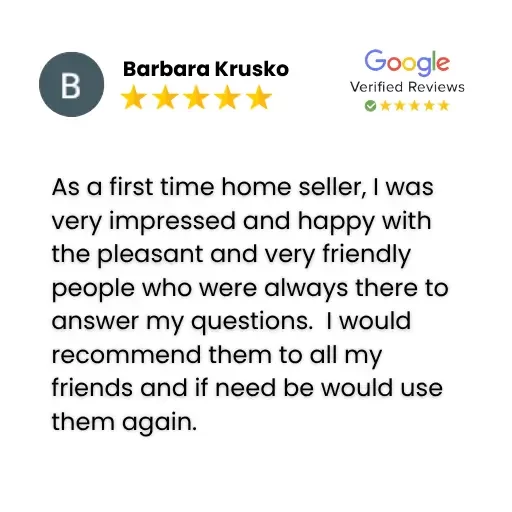
See What Homeowners Have To Say About 3 Step Home Sale
Whether you’re navigating an inherited property, a tough co-ownership situation, or simply need a fast, certain sale—who you trust makes all the difference. Here’s what real DC, Maryland, and Virginia homeowners have said about working with 3 Step Home Sale.
Conclusion
Florida’s judicial foreclosure process provides more time than most states, but that time is not free in 2026. Carrying costs accumulate, credit damage compounds, and options narrow as the process moves forward. The homeowners who come out ahead are the ones who act in the first 60 days, before those costs become overwhelming.
3 Step Home Sale buys Florida properties in foreclosure and pre-foreclosure situations throughout the state. Request a free cash offer today, no obligation, no pressure. Call (855) 918-4010 or fill out the form to get started.
Frequently Asked Questions
How long does foreclosure take in Florida in 2026?
Florida is a judicial foreclosure state, meaning lenders must go through the court system. The process typically takes 12 to 24 months from first missed payment to foreclosure sale in contested cases. Federal law under 12 CFR § 1024.41 prohibits servicers from initiating foreclosure until a borrower is more than 120 days delinquent, giving homeowners a critical early window to act.
Can I sell my house while in foreclosure in Florida?
Yes. As long as the property has not been sold at a foreclosure auction, you can sell it at any point in the process. The sale pays off the outstanding mortgage balance and stops the foreclosure. A cash buyer can close in 7 to 14 days, fast enough to resolve the situation before most foreclosure timelines become critical.
What happens to my equity if my house goes to foreclosure in Florida?
If the foreclosure sale price exceeds your outstanding loan balance plus fees, you are entitled to the surplus proceeds. However, if the sale price falls short, the lender may pursue a deficiency judgment in some circumstances. Selling before foreclosure, while you have equity, almost always produces better financial outcomes than waiting for a foreclosure sale.
Does Florida tax the proceeds if I sell my house to avoid foreclosure in 2026?
No. Florida has no state income tax, so proceeds from the sale are not subject to state taxation. At the federal level, the capital gains exclusion under IRS Publication 523 allows most primary residence sellers to exclude significant gains from federal taxation as well.
What resources are available to Florida homeowners facing foreclosure in 2026?
HUD-approved housing counselors at hud.gov/findacounselor provide free guidance on your options. The Florida Housing Finance Corporation at floridahousing.org administers state-level assistance programs. Your mortgage servicer is also required to evaluate you for loss mitigation options before initiating foreclosure.
How does selling to a cash buyer stop foreclosure in Florida?
When you sell to a cash buyer, the sale proceeds pay off your outstanding mortgage balance at closing. Once the mortgage is paid off, the lender has no basis to continue the foreclosure action. A cash buyer can close in 7 to 14 days, fast enough to resolve the situation before most foreclosure timelines become critical.
We Buy Houses in Florida
At 3 Step Home Sale, we work with Florida heirs including out-of-state sellers, estates in probate, foreclosure, and properties affected by Florida’s homestead law or in need of significant repairs. We purchase as-is, close on your timeline, and handle the complexity without requiring anything of you beyond a conversation.
Visit our Florida home buyers page to learn more.