


Why Homeowners Trust 3 Step Home Sale
 Purchased 1,000+ homes in VA, MD, and DC
4.9-Star Google Rating from Real Local Sellers
Work with local title companies and attorneys
No commissions, repairs or hidden fees
Divorce is one of the most stressful experiences a person can go through. On top of the emotional strain, you’re suddenly facing big financial decisions about shared assets, especially the house. A joint mortgage, unpaid bills, and questions about who gets what can turn the home into a major source of tension.
Many couples quickly discover that selling a house during divorce is more complicated and time-consuming than they expected. That’s why more and more homeowners choose to sell their house for cash during divorce, so they can quickly unlock the equity, divide the money fairly, and move on to the next chapter with fewer loose ends.
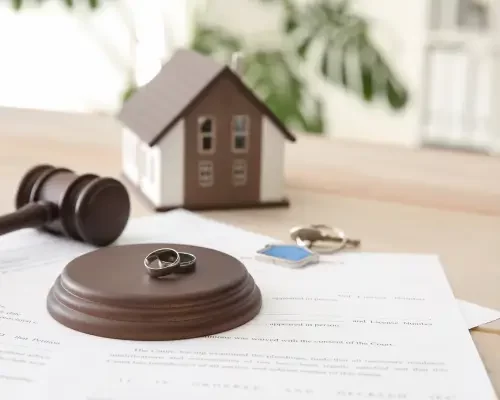
Why Selling a House During Divorce Gets So Complicated
On the surface, selling a home sounds straightforward. But in a divorce, every decision about the house is tied to emotions, money, and what life will look like after the split. What used to be “our home” quickly turns into a financial asset that has to be negotiated, valued, and divided.
Common problems couples run into include:
- Disagreement on what the house is actually worth
- Arguments over repairs, updates, and staging
- Confusion over who pays the mortgage, taxes, and utilities during the sale
- Stress from coordinating showings while trying to separate lives
- Fear that the house will sit on the market for months with no solid offers
All of this is happening while you’re trying to divide assets, manage legal paperwork, and adjust to a new life. It’s no wonder people search for phrases like “sell my house fast during divorce” or “how to sell a house during divorce without fighting.”
Your Main Options for the House During Divorce
Although every situation is unique, most couples dealing with a marital home during divorce end up considering the same core options.
1. One Spouse Keeps the House
In some cases, one person wants to stay in the home and buy out the other’s share. This usually involves:
- Getting a refinance in one spouse’s name
- Paying the other spouse for their share of the equity
- Taking full responsibility for mortgage payments and expenses
This option can work well if:
- The spouse keeping the home has steady income
- Their credit is strong enough to qualify for a new loan
- Both sides agree on the value of the property
If income has dropped or debts are high, refinancing can be difficult or impossible. In that case, keeping the home might not be realistic.
2. Both Spouses Keep the House (For Now)
Some couples decide to co-own the house for a while after the divorce so they can wait for better market conditions, keep the kids in the same home or school district, or delay big changes until things feel more stable. While that can seem like a sensible plan at first, it also means you’re both still tied to the same mortgage, missed payments can damage both credit scores, disagreements over repairs and upkeep can continue, and it becomes much harder to feel truly financially independent. For many people, staying connected through a house only ends up prolonging the stress.
3. List the House With a Real Estate Agent
The traditional route is to list the home on the open market with a realtor. This can sometimes bring in top dollar, but during a divorce it can also create extra stress.
With a traditional listing, you may need to:
- Clean, repair, and prepare the home for showings
- Keep the property ready at all times for buyers
- Pay for inspections, appraisals, and closing costs
- Wait weeks or months for the right buyer to come along
- Pay agent commissions, which reduce the net proceeds you split
If communication is already strained, every step—from pricing to accepting an offer—can turn into another argument.
4. Sell Your House During Divorce for Cash
For many divorcing couples, the simplest option is to sell the house directly to a cash home buyer. This approach is designed to be fast, predictable, and low-stress.
When you sell your house for cash during divorce, you can usually:
- Get a firm cash offer quickly
- Skip repairs, cleaning, and showings
- Choose a flexible closing date that fits your divorce timeline
- Avoid realtor commissions
- Turn the house into cash you can divide according to your agreement
Instead of wondering how long your home will sit on the market, you get clear numbers and a simple path forward.
Financial Factors to Think About During a Divorce Home Sale
Beyond emotions, selling a house during divorce is a financial decision. A few key areas you’ll want to understand clearly:
Shared Mortgage Responsibility
If both names are on the mortgage, both spouses are legally responsible, no matter who stays in the house. That means:
- Late or missed payments affect both credit scores
- The lender doesn’t care who lives there; they only care who signed the loan
- Refinancing or selling is usually required to fully separate the debt
A fast sale can stop the risk of missed payments and give both of you a clean slate.
Home Equity and Splitting the Proceeds
Equity is the difference between the current value of your home and what you still owe on the mortgage.
Typically, when you sell:
- The mortgage gets paid off at closing
- Any remaining money (your equity) is split between spouses based on your divorce agreement
Because every state and situation is different, some couples split equity 50/50, while others agree to different percentages based on income, contributions, or other factors. Selling for cash can make this step easier because you’re dividing a clear number, not guessing what the house might be worth someday.
Possible Tax Considerations
While this page can’t give tax advice, it’s smart to keep a few questions in mind. According to the IRS, many homeowners may qualify for a capital gains exclusion when selling a primary residence if they meet certain ownership and residency requirements.
- Will there be capital gains on the sale?
- Do you qualify for any home sale exclusions?
- Are you selling before or after the divorce is final?
- How long did you live in the property as your primary home?
Talking with a tax professional or financial advisor can help you understand the best timing and structure for your sale.
Why Cash Buyers Work Well for Divorcing Homeowners
If your main goal is to sell your house fast during divorce and move on, working with a cash buyer can make the process much easier and more predictable than a traditional sale.
Here’s what makes a cash sale so attractive in a divorce situation:
- Speed: You can often receive a cash offer in a very short time and close much sooner than you would with a listing on the open market. This helps you line up the home sale with your divorce timeline instead of waiting months for the “right” buyer.
- Simplicity: You don’t have to worry about repairs, staging, cleaning, or constant showings. Most cash buyers purchase the property as-is, which means less stress, less coordination, and fewer things to argue about.
- Certainty: With a traditional buyer, you’re relying on their lender to approve the loan, pass inspections, and clear conditions. With a cash buyer, there’s no financing risk, so the chances of the deal falling through are much lower.
- Control: You and your spouse can choose a closing date that works around court dates, move-out plans, kids’ schedules, and other logistics, instead of being at the mercy of a long, drawn-out process.
Instead of juggling showings, negotiations, and last-minute surprises while going through a divorce, you can make one clear decision about a cash offer, agree on it together, and move forward with a clean break.
How to Lower Conflict When Selling a House During Divorce
Even when you agree the house needs to be sold, the “how” can create tension. A few strategies can help keep things calmer:
- Put the plan in writing. Decide how offers will be reviewed, who communicates with the buyer, and how closing funds will be handled.
- Stay focused on the numbers. Treat the house as a shared asset, not a symbol of the past.
- Use neutral professionals. Attorneys, mediators, and cash home buyers can provide structure and help reduce direct conflict.
The more you simplify the process, the fewer things there are to argue about.
Is Selling Your House for Cash During Divorce Right for You?
If you’re already carrying the emotional weight of a divorce, you don’t need the house holding you back too. A cash sale can help you cut through the chaos, no listings, no repairs, no endless back-and-forth, just a straightforward way to unlock your equity, protect your credit, and finally separate your finances for good. If you’ve been thinking, “I just want this done so I can move on,” then now is the time to act.
Fill out the form below to get a fast, no-obligation cash offer. One simple step today can bring you closer to the clean break and fresh start you’ve been waiting for.
Frequently Asked Questions
Can you sell a house before a divorce is finalized?
In many cases you can sell before the divorce is finalized if both spouses agree. However, the process may require court approval depending on state laws.
What happens if one spouse refuses to sell the house?
In some situations a court may order the sale of the property as part of the divorce settlement.
How do couples split the money after selling a house during divorce?
Proceeds are usually divided based on the divorce agreement, which may include equal or negotiated equity splits.
Is it faster to sell a house for cash during divorce?
Cash sales often close faster because they avoid lender approvals, inspections, and long buyer financing timelines.
Related Articles
Selling a House Fast When You’re Concerned or in Financial Stress
Learn how selling quickly can help homeowners move forward during difficult financial or life situations.
What Is the Best Way to Sell Your House Quickly?
Discover the fastest ways homeowners sell their property when they need a simple and stress-free solution.
How to Sell a Distressed House Fast (No Repairs Needed)
Learn how homeowners sell houses as-is without spending money on repairs or updates.
Frequently Asked Questions About Selling Your House for Cash
Get answers to common questions about selling your house quickly without commissions or repairs.
Get An Offer Today & Pick Your Close Date
Fill Out the Form and Our Team Will Call With Your Offer