Last Updated: June 2026
Can you sell a condemned house in Maryland? The answer is yes — but the thought of doing it might feel like stepping into uncharted territory, filled with uncertainty and stress. Words like “condemned” can conjure images of insurmountable problems, structural failures, health hazards, or relentless code violations. But here’s the truth: if you’re asking can you sell a condemned house, the answer is almost always yes — and with the right approach and knowledge, it can become an opportunity to turn a perceived burden into real value rather than an ongoing financial drain.
Whether you’re dealing with a condemned home for the first time or navigating a situation you’ve inherited, the process follows the same core principles — but local Maryland nuances matter enormously when it comes to disclosure requirements, buyer options, and timeline.
This ultimate guide is your roadmap to understanding exactly how you can sell a condemned house in Maryland. From understanding your legal obligations to exploring your buyer options, we’ll break down each step in simple, actionable terms using our proven 3-step home buying process. Whether you’re considering selling your home as-is or want to understand what repairs would be required before listing, this guide covers everything you need to ensure a smooth, successful transaction — and answers the question can you sell a condemned house in Maryland once and for all.
If you’re also dealing with liens or unpaid debts attached to the condemned property, our guide on how to sell a house with a lien on it in Maryland explains how those financial encumbrances are resolved at closing and what your options are as a seller.
What Does It Mean for a House to Be Condemned?
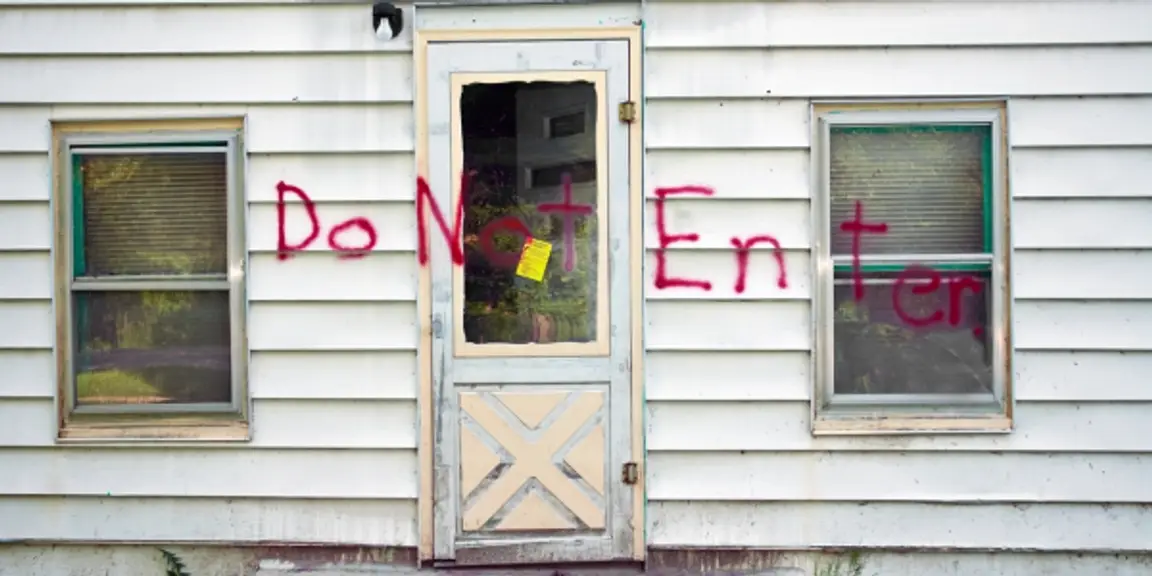
A condemned house is one deemed unfit for human habitation by a government authority, such as local building inspectors or health departments. This status is typically the result of severe safety, health, or legal concerns, and it restricts the property’s use until those issues are resolved.
Why Are Houses Condemned?
Houses in Maryland are condemned for a range of reasons. Below is a detailed breakdown:
| Reasons for Condemnation | Examples | Impact on Property Sale |
| Structural Problems | Foundation damage, collapsing roofs, severe water or fire damage | Reduces the pool of potential buyers; often requires investor interest |
| Health Hazards | Mold infestation, asbestos, lead-based paint, pest infestations | May require immediate remediation or disclosure during sale |
| Building Code Violations | Faulty wiring, inadequate plumbing, lack of fire safety systems | Buyers must account for repair costs; seller must disclose violations |
| Environmental Issues | Contaminated soil, improper waste disposal, flood damage | Narrows buyer pool; may involve coordination with environmental agencies for compliance |
Who Can Condemn a House in Maryland?
Selling a condemned house starts with understanding who has the power to declare a property unfit for occupancy. In Maryland, several entities can make this decision, each focusing on specific safety and compliance factors. Let’s break it down:
Local Building Authorities
Local government officials and code enforcement agencies are often the first to inspect properties for compliance with Maryland’s building codes. Their focus is on critical aspects like:
- Structural Integrity: Checking for foundation issues, collapsing walls, or unsafe roofing.
- Electrical Systems: Ensuring wiring and outlets are up to code and not posing fire hazards.
- Plumbing: Looking for leaks, poor water pressure, or sewage issues.
- General Safety: Ensuring the property is habitable and doesn’t endanger occupants or neighbors.
If your property fails to meet these standards, it may be condemned as a safety precaution to protect the public.
Health Departments
Maryland health departments intervene when a property presents serious health risks. Common reasons include:
- Mold Infestations: Unchecked mold can lead to respiratory issues and other health problems.
- Pest Problems: Rodent or insect infestations can make a property uninhabitable.
- Improper Sewage Systems: Leaks or failures in sewage disposal systems can pose significant health hazards.
- Exposure to Hazardous Materials: Asbestos, lead paint, or other toxic substances can trigger a health department’s involvement.
These health-related issues don’t just make a property unlivable—they can accelerate the condemnation process.
Environmental Protection Agencies (EPA)
Properties affected by environmental concerns often fall under the purview of state or federal environmental agencies. Condemnation may occur if:
- The Land is Contaminated: Soil or water contamination from industrial waste, chemical spills, or other pollutants.
- Environmental Hazards Exist: Proximity to hazardous waste sites, underground storage leaks, or harmful emissions.
These agencies ensure that the property does not endanger the environment or public health, making condemnation a necessary step in such cases. By understanding who can condemn a house and why, you’re better equipped to address the issues and move forward with a plan to sell your property, even in challenging circumstances.
Can You Sell a Condemned House in Maryland?
Yes, you can sell a condemned house in Maryland, but it involves navigating legal and logistical challenges. Selling such properties often requires full disclosure, appropriate pricing, and a clear understanding of Maryland’s regulations.
Legal Obligations for Sellers
- Disclose the Condemned Status: Maryland law requires sellers to provide potential buyers with a full disclosure of the property’s condemned status, including any known defects or code violations.
- Address Outstanding Liens or Fines: Properties with liens or unpaid fines associated with their condemnation must have these resolved or factored into the sale.
- Understand Zoning and Land Use Laws: Some properties may have specific restrictions that limit their use or redevelopment potential.
Who Can You Sell A Condemned Houses in Maryland To?
Selling a condemned house may feel daunting, but there’s a niche market of buyers actively seeking these properties. While the pool may be smaller than for traditional homes, the demand for such opportunities remains strong among certain groups. Here’s a closer look at who might be interested in purchasing your condemned property:
1. Real Estate Investors
Investors are at the top of the list when it comes to buying condemned properties. They specialize in identifying distressed assets that can be renovated or repurposed for profit.
- What They’re Looking For: Potential for a high return on investment (ROI) through flipping or renting the property after repairs.
- Why They Buy: Investors see beyond the current state of the house and focus on its future potential.
- The Process: Many investors offer fast, hassle-free sales and may buy the property “as-is,” saving you from making costly repairs.
2. Cash Buyers
Cash buyers are another significant segment in the market for condemned homes. These individuals or companies have the resources to purchase properties outright without relying on mortgage approvals.
- What They’re Looking For: Properties they can quickly acquire, repair, and either resell or hold as part of their portfolio.
- Why They Buy: The ability to bypass financing hurdles allows them to close deals quickly, making them an attractive option for homeowners in urgent need of selling.
- The Process: Cash buyers often provide competitive offers and streamline the transaction, ensuring a faster closing timeline.
3. Developers
For condemned properties located in desirable areas, developers are often interested in the land rather than the house itself.
- What They’re Looking For:
- Prime locations for new construction projects.
- Land with potential for multi-family units, commercial developments, or custom homes.
- Why They Buy: Developers value the underlying land and may view the condemned house as a teardown opportunity.
- The Process: Developers typically focus on zoning and land-use potential, making this option ideal if your property’s location holds significant value.
4. Specialty Buyers
In some cases, niche buyers like nonprofits, community organizations, or historic preservation groups may seek condemned properties for specific purposes.
- What They’re Looking For: Unique properties that align with their mission, such as historic homes or affordable housing opportunities.
- Why They Buy: These buyers aim to restore properties in a way that benefits the community.
- The Process: While this option may take longer, it can provide a sense of purpose in selling your property.
What’s in It for You?
Whether you’re dealing with investors, cash buyers, or developers, selling a condemned house can be a straightforward process when you understand your audience. These buyers often see potential where others see problems, turning your property into a valuable opportunity for both parties.
If you’re ready to sell, focus on marketing your property to the right buyers and highlighting its unique appeal, such as location or redevelopment potential. You might be surprised at how quickly your condemned house finds a new owner!
Steps to Sell a Condemned House in Maryland
1. Verify the Condemned Status
Obtain official documentation from local authorities to confirm the reasons for condemnation. This report should outline the specific issues that need to be addressed and any related penalties or fines.
2. Decide on Repairs or As-Is Sale
Determine whether it’s more feasible to repair the property or sell it as-is:
- Repairing the Property: Repairs can increase market value but require significant upfront costs and time.
- Selling As-Is: This is the most common route for condemned properties. Buyers assume responsibility for repairs, often resulting in a faster sale.
3. Hire Professionals
Consider working with experts to streamline the process:
- Real Estate Agent: Choose an agent experienced in distressed properties.
- Real Estate Attorney: Ensure compliance with Maryland laws and handle complex transactions.
- Appraiser: Accurately price the property based on its current condition and market trends.
4. Market the Property Strategically
Focus on the property’s potential rather than its current state. Highlight factors like location, lot size, or redevelopment opportunities. Be upfront about the property’s condemned status to attract the right buyers.
5. Negotiate Terms
Expect potential buyers to negotiate heavily due to the costs associated with repairs. Be prepared to address liens, fines, or legal restrictions during this phase.
6. Close the Sale
Work with a real estate attorney to finalize all paperwork, including disclosures, financial agreements, and transfer of ownership. Ensure that any unresolved issues (e.g., liens) are addressed before closing.
If you’re not sure how the cash home sale process works from start to finish, our overview of how 3 Step Home Sale works walks you through every step — from your first call to cash in hand — so you know exactly what to expect before committing to anything.
Challenges of Selling a Condemned House
Selling a condemned house in Maryland is not without its difficulties. Below are common challenges and strategies to overcome them:
1. Limited Buyer Pool – Traditional buyers often avoid condemned properties due to the risks involved. Targeting cash buyers or investors is a more effective strategy.
2. Mortgage Complications – If the property has an existing mortgage, lenders may impose restrictions or require immediate repayment. Discuss options with your lender, including short sales or loan modifications.
3. Legal and Financial Hurdles – Addressing outstanding fines, liens, or zoning restrictions can delay the sale. Working with a real estate attorney can simplify these processes.
For Maryland homeowners dealing with a condemned property that is also part of an estate or inherited situation, selling quickly becomes even more urgent. We buy houses throughout Maryland including Silver Spring, Bowie, Rockville, and Upper Marlboro — no repairs required and no obligation to clean out the property before closing.
Alternatives to Selling a Condemned House
If selling isn’t the right option, consider these alternatives:
- Renovate and Restore: Repairing the property can make it more marketable, but it requires significant investment.
- Auction the Property: Public auctions can attract investors but may yield a lower sale price.
- Short Sale: If the property is worth less than the mortgage balance, negotiate a short sale with your lender.
Preventing Your House From Condemnation
If your property isn’t yet condemned but you’re concerned about the possibility, proactive steps can help you avoid this situation:
- Conduct regular maintenance to address structural and safety issues.
- Ensure compliance with Maryland’s building and zoning codes.
- Respond promptly to notices from local authorities.
- Hire licensed professionals for renovations or repairs.
Conclusion
Selling a condemned house in Maryland is a complex but manageable process. By understanding the state’s legal requirements, targeting the right buyers, and working with professionals, you can turn a challenging situation into a successful sale. Whether you choose to repair the property, sell it as-is, or explore alternative options, the key is to act quickly and strategically.
A condemned property doesn’t have to be a permanent burden. By understanding your options and taking action early, you can avoid additional expenses and work toward the best possible outcome for your situation. If you’re exploring your next steps, learn more about how we help homeowners across Maryland sell challenging properties quickly and without repairs.
If you’re exploring all your options as a Maryland homeowner dealing with a difficult property situation, our Maryland home buying page covers everything you need to know about selling your house fast for cash throughout the state — no matter the condition or circumstance.
Frequently Asked Questions
Can you sell a condemned house in Maryland?
Yes, selling a condemned house in Maryland is possible. However, it often comes with hurdles, such as finding buyers who are comfortable taking on the risks and costs of extensive repairs. Many buyers might shy away due to the property’s poor condition and potential legal concerns.
What does it mean when a house is condemned?
A condemned house is one deemed unsafe or unsuitable for living by local authorities. This happens due to structural problems, code violations, or health and safety hazards. Occupants cannot live in the house until it has been repaired to meet legal and safety standards.
What are the legal requirements for selling a condemned house in Maryland?
When selling a condemned property in Maryland, you are required to disclose its condition and legal status to prospective buyers. Transparency about code violations and safety issues is mandatory. Consulting a real estate attorney can help ensure you meet all legal obligations during the sale.
Can a condemned house be repaired and sold?
Yes, a condemned house can be repaired to comply with building codes, making it eligible for sale. The scope of repairs depends on why the house was condemned in the first place. Once the issues are addressed, and the condemnation lifted, the property can be sold like any other home.
Are there buyers interested in condemned houses?
Certain buyers, such as real estate investors and house flippers, actively seek condemned properties. They are typically looking for discounted properties they can renovate and sell or rent out for a profit. These buyers are generally familiar with the challenges involved in restoring such homes.
What challenges might I face when selling a condemned house?
Selling a condemned house comes with obstacles, including limited buyer interest, negotiating a fair price for its current condition, and ensuring all legal disclosures are met. Financing is another challenge, as many lenders hesitate to approve loans for condemned properties. These factors can make the selling process longer and potentially result in a lower sale price.
Related Articles
- How to Sell a House As-Is in Maryland Without Hassle
Learn how selling a house as-is works in Maryland, what disclosures may still be required, and how homeowners can avoid making costly repairs before selling.
- Can You Sell a House With a Lien on It in Maryland?
Many condemned properties also have financial challenges. This guide explains how liens affect a home sale and what options are available for resolving them at closing.
- The 7 Most Expensive House Problems in Maryland
Discover some of the most costly property issues Maryland homeowners face, from structural damage to foundation problems, and learn the options available when repair costs become overwhelming.
We Buy Houses Across Maryland
Whether you’re dealing with a condemned property, an inherited home, or simply need to sell fast without the hassle of a traditional listing, 3 Step Home Sale buys houses as-is throughout Maryland. No repairs, no agent fees, no waiting — just a straightforward cash offer and a closing date that works for you.
Maryland Home Buying Page — See how we work and what to expect.
Sell Your House Fast In:
Rockville | Bowie | Silver Spring | Severna Park | Upper Marlboro