
Key Takeaways
- An inherited house in Savannah GA typically passes through Chatham County Probate Court before it can be legally transferred or sold
- Savannah’s historic appreciation means many inherited properties carry significant equity, often with no mortgage remaining
- The federal step-up in basis resets your cost basis to the home’s value at the date of death, often reducing capital gains tax on a sale to very little or nothing
- Historic district properties in Savannah may have additional restrictions on renovation and use — these affect value but do not prevent a cash sale
- Out-of-state heirs can sell an inherited Savannah property remotely through a licensed Georgia closing attorney
- Cash buyers are experienced with as-is inherited properties in Savannah and can close significantly faster than traditional buyers
Inheriting a house in Savannah GA is a financially significant event — more so than inheriting a home in many other Georgia markets. Savannah’s historic appreciation, driven by its booming tourism economy, its historic district, and sustained demand from out-of-state buyers, means many inherited properties here carry equity that surprises heirs who haven’t been watching the local market.
What comes with that equity is complexity. Historic district properties have specific rules. Chatham County’s probate court has its own process. And heirs who don’t live in Savannah face the challenge of managing or selling a property in a city they may not know well.
This guide walks through what you need to know — Savannah and Chatham County specific — so you can make the right decision for your situation.
Probate in Chatham County, Georgia
When a Savannah homeowner passes away, their property typically enters probate through the Chatham County Probate Court. The court oversees the validation of the will, the appointment of an executor or administrator, and the ultimate distribution of assets including real estate.
Chatham County is one of Georgia’s busier probate courts given the size of the Savannah metro area. Straightforward, uncontested estates can move through the process in a few months. Estates with disputes between heirs, significant debts, or properties with complicated ownership histories take longer. If you are the executor of the estate, a probate attorney familiar with Chatham County’s court process can give you a realistic timeline and help you avoid procedural delays that add months unnecessarily.
If the Savannah property was held in a living trust, in joint tenancy with right of survivorship, or had a transfer-on-death deed recorded, it may bypass probate entirely. Review the deed and any estate planning documents with an attorney to confirm.
Savannah’s market and what heirs are sitting on
Savannah has experienced exceptional appreciation over the past two decades. Demand from remote workers, retirees, and investors drawn to Savannah’s tourism economy and coastal lifestyle pushed home values significantly higher — particularly in and around the historic district, Ardsley Park, Midtown, and the Victorian District.
Long-term Savannah homeowners who purchased in the 1980s, 1990s, or early 2000s often left behind properties worth considerably more than what they paid. For heirs, this translates to equity — sometimes substantial equity, and in many cases with no mortgage balance remaining.
Understanding the current market value of the inherited property is one of the most important early steps. A cash offer from a local buyer gives you a concrete number without obligation. An appraisal gives you a formal valuation. Both are worth having before making any decisions about what to do with the property.
Get An Offer Today & Pick Your Close Date
Fill Out the Form and Our Team Will Call With Your Offer
Historic district properties: what heirs need to know
If the inherited Savannah home is located in the Savannah Historic District or another locally designated historic area, additional considerations apply. The Savannah Historic District Board of Review oversees exterior changes to properties in designated areas. Certain renovations require board approval, and alterations that conflict with historic preservation standards may be denied.
For heirs, this matters in two ways. First, if you’re considering making improvements before selling, some work may be subject to additional oversight and cost. Second, historic designation is a feature that adds value in Savannah’s market — buyers, including investors, actively seek historically significant properties and are often willing to pay accordingly.
A cash buyer familiar with Savannah’s historic district purchases these properties regularly as-is, understanding the designation and its implications. You are not required to make any renovations before selling.
The step-up in basis: a significant tax advantage
Inherited properties receive a federal step-up in basis to the fair market value of the home at the date of the original owner’s death. In a market like Savannah, where significant appreciation has occurred over decades, this provision can save heirs a substantial amount in capital gains tax.
If your relative purchased a Savannah home in 1990 for $100,000 and it was worth $450,000 at the time of their death, your basis is $450,000 — not $100,000. Selling the home for $460,000 shortly after inheriting it produces a taxable gain of only $10,000, not $360,000.
For heirs who sell relatively soon after the date of inheritance, capital gains tax is often minimal or non-existent. Georgia taxes capital gains as ordinary income at the state level, so both federal and state implications should be reviewed with a CPA before closing. See our post on capital gains tax on a home sale in Georgia for a full breakdown.
Out-of-state heirs inheriting Savannah homes
Savannah attracts people, and people move on. Many who lived and owned homes in Savannah eventually relocated elsewhere — and their heirs may be anywhere in the country when they inherit. Managing or selling a Savannah property from out of state is entirely possible, particularly in a cash sale.
Georgia’s attorney-at-closing requirement means a licensed Chatham County closing attorney coordinates the transaction. Most of the process — reviewing the purchase agreement, providing documentation, and signing closing documents — can be handled remotely. A power of attorney can authorize a trusted local representative to sign on your behalf at closing if you cannot be present.
A cash buyer eliminates the need for showings, open houses, and the week-to-week management of a listed property. From an out-of-state heir’s perspective, the process involves an initial conversation, a property visit by the buyer, a written offer, and a closing — most of which requires only a phone, email, and overnight courier.
Your options as a Savannah heir
Sell the property
For heirs who don’t want to manage a Savannah home from a distance, selling — particularly to a cash buyer — is the most straightforward path. Properties are purchased as-is, closing timelines are fast, and the entire process can be managed remotely.
Convert to a short-term rental
Savannah’s tourism economy supports a strong short-term rental market, particularly for properties near the historic district and City Market. If the inherited home is in a desirable location and meets the city’s short-term rental licensing requirements, this can generate significant income. This path requires active management or a local property management company.
Keep as a long-term rental
Savannah’s steady population and demand from students, hospital workers, and long-term residents support traditional rentals. This is a longer-term play that requires landlord involvement and familiarity with Georgia tenant law.
Transfer to another heir
If one heir wants to keep the property and others do not, a buyout or deed transfer can consolidate ownership. A real estate attorney can facilitate this cleanly.
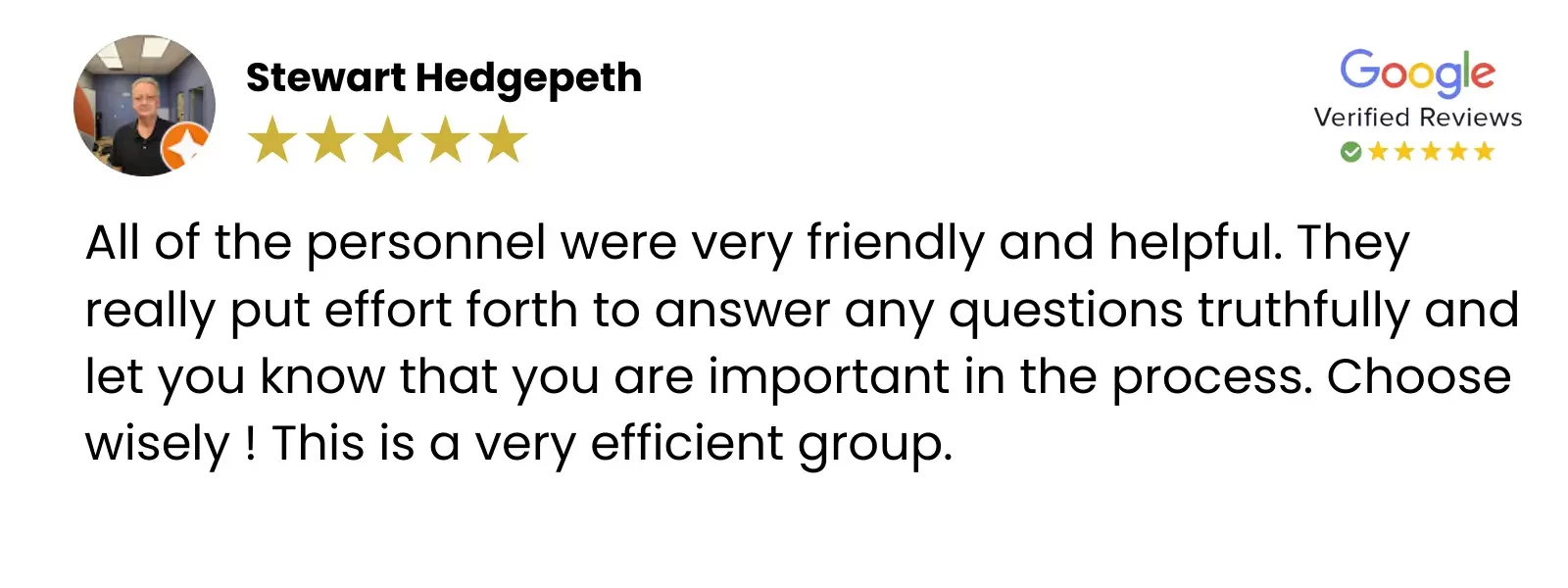
See What Homeowners Have To Say About 3 Step Home Sale
When you’re dealing with an inherited property, a difficult co-ownership situation, or simply need to sell fast, choosing who to trust matters. Here’s what real homeowners have said about working with 3 Step Home Sale.
Conclusion
Inheriting a house in Savannah GA puts you in a strong financial position — but it also puts decisions in your lap that require real information to make well. The property’s value, its title status, any outstanding taxes or liens, and the estate’s probate timeline are the four things to understand before committing to any path.
For heirs who want to sell, Savannah’s market and the step-up in basis provision often make it a very favorable transaction — more favorable than many heirs initially expect. The key is moving deliberately and getting real numbers before making assumptions.
Frequently Asked Questions
How long does probate take in Chatham County before I can sell an inherited Savannah home?
For a straightforward, uncontested estate, Chatham County probate can take several months. Complex estates with disputes or significant debts take longer. A probate attorney familiar with the court can give you a realistic estimate based on your situation. A cash buyer can often close quickly once probate is complete.
Can I sell an inherited Savannah home while it is still in probate?
In some circumstances, yes — the executor may have authority to sell under the terms of the will, or the probate court may issue an authorization. This should be discussed with your probate attorney early. Cash buyers are experienced at working within probate timelines and can structure the closing to align with court requirements.
Does the historic district designation affect my ability to sell the inherited Savannah home?
No. Historic designation does not prevent a sale. It affects what exterior changes can be made, but a cash buyer purchases the property in its current condition without requiring renovations. If anything, historic designation tends to support value in Savannah’s market.
What if multiple heirs inherited the Savannah property and we don’t agree on what to do?
All co-owners must agree to and sign the deed in a voluntary sale. If heirs cannot reach agreement, a partition action under Georgia law may allow a court to order the property sold and proceeds divided. Mediation between heirs is almost always preferable to a court proceeding, both in cost and time.
Do I have to pay property taxes on the inherited Savannah home while the estate is being settled?
Yes. Property taxes in Chatham County continue to accrue regardless of probate status. Taxes that go unpaid become a lien against the property and can result in a county tax sale if left unresolved. Confirm the tax status of the property and ensure taxes are being paid during the probate period.
How do I know what the inherited Savannah home is worth?
A cash offer from a local buyer gives you a no-obligation market signal. A formal appraisal gives you a more detailed valuation. Comparing recent sales of similar homes in the same Savannah neighborhood through public records or a local real estate agent’s market analysis also helps establish a realistic range.
We buy inherited homes in Savannah GA
At 3 Step Home Sale, we work with Savannah-area heirs including out-of-state sellers, estates in probate, and properties in the historic district or in need of significant repairs. We purchase as-is, close on your timeline, and handle the complexity without requiring anything of you beyond a conversation.
Visit our Savannah home buyers page to request a free cash offer, or visit our Georgia home buyers page to learn more.
Related reading: What to do when you inherit a house you don’t want in Georgia | Capital gains tax on a home sale in Georgia | How long does a cash home sale take to close in Georgia? | We buy houses in Georgia