
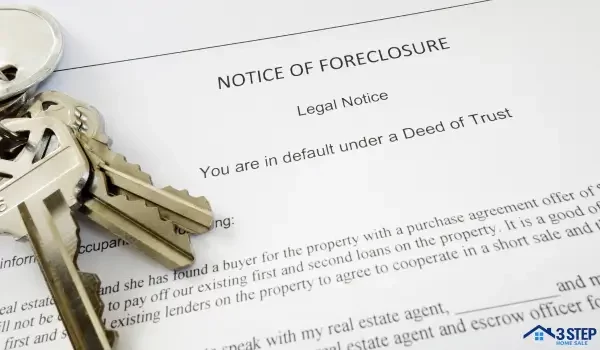
Stop Foreclosure Before It Happens. Sell Your Home As-Is, Fast
If you’re behind on your mortgage and the letters—or calls—won’t stop, it’s easy to feel like time is running out. Here’s the good news: pre-foreclosure is often your best chance to take control, because you still have options. Often, you can sell the home exactly as it sits—no fixing, no updating, and no sinking another dollar into a place that’s already putting pressure on your finances.
This guide is for homeowners who need a fast, realistic path forward, not pressure, and definitely not judgment. You’ll learn what to do first, how to prevent common delays, and how to sell quickly even if the house needs work, has tenants, or you’re dealing with a tight timeline.
What Is Pre-Foreclosure? A Simple, Plain-English Definition
Pre-foreclosure usually means you’re behind on mortgage payments and your lender/servicer has started (or is about to start) the legal process that can lead to foreclosure. Your home hasn’t been taken or sold yet but the account is in default and the timeline may be moving.
In real life, it can look like:
- Missed payments with late fees stacking up
- Letters like Notice of Default, Intent to Foreclose, or Acceleration Notice
- More frequent calls and mail from the lender/servicer
- Talk of a sale/auction date
- Ongoing stress because you’re not sure what happens next
The key point: pre-foreclosure is often the best time to act because you may still have control—selling, catching up, or working out a solution—before options tighten later in the process.t.
Why Most Homeowners Get Stuck in Pre-Foreclosure?
The biggest problem in pre-foreclosure is confusion that leads to delay. Most homeowners aren’t ignoring the situation, they’re overwhelmed by scary letters, unclear deadlines, and the pressure of choosing between keeping the home or letting it go. That hesitation can be expensive, because fees can stack up and the lender’s timeline keeps moving, which means fewer options the longer you wait.
Moving fast doesn’t mean rushing, it means getting clear on what stage you’re in, what the next deadline is, and picking a plan (work something out with the lender or sell before foreclosure) while you still have time.
Get Your Foreclosure Timeline and Numbers First (Clarity Before Anything Else)
If you’re trying to sell fast in pre-foreclosure, the most important thing is knowing (1) how much time you have and (2) what your lender will require at closing. That keeps you from wasting days on options that can’t close in time.
Ask your loan servicer for these 3 items in writing (email/loan portal):
- Reinstatement amount — what it costs to bring the loan current (missed payments + late fees + legal fees, if any).
Why it matters: If reinstatement is realistic, you may be able to pause the pressure while you decide whether to sell. - Payoff amount — the exact amount needed to pay off the loan at closing if you sell.
Why it matters: This is the number your title company uses, and it affects whether you’ll have proceeds—or need another plan. - Next deadline / sale date — the next legal step and the date that matters most.
Why it matters: This determines whether a traditional listing timeline is realistic or if you need an as-is buyer who can close quickly.
Quick script:
- “Where should my title company send the payoff request?”
When you have these numbers, you can choose the right path—work something out, list it, or take a fast cash offer—based on facts instead of fear.
- “I’m exploring selling to avoid foreclosure. What’s my current status and next deadline?”
- “Please send my reinstatement and payoff quotes in writing.”
- “Are fees still being added weekly or monthly?”
Selling a House As-Is in Pre-Foreclosure
Selling as-is means you sell the home in its current condition—no repairs or upgrades—so you can move faster and avoid out-of-pocket costs in pre-foreclosure.
The price reflects the condition, but the sale still follows the normal process: buyers may inspect, disclosures may apply, and closing still goes through a title company to pay off the loan and clear title. It’s usually fastest with a buyer who can close without repair requirements.
How to Sell Before Foreclosure Hits: 3 Reliable Ways to Sell Fast
In pre-foreclosure, “fast” isn’t just speed—it’s certainty. A deal that falls apart mid-way can cost you the time you don’t have. The best option is the one that fits your deadline and has the fewest chances to get delayed.
Here are the 3 common routes, ranked from most predictable to least:
Option A: Sell to a Direct Cash Buyer (Fastest + Most Reliable)
Best when you need speed and simplicity—especially if the home needs work.
Good fit if:
- the house needs repairs (and you can’t fund them)
- you can’t do showings or the home is cluttered
- you have tenants
- you need a closing date you can count on
Why it closes faster: No lender process (underwriting, appraisal delays, lender-required repairs).
Tradeoff: Offers can be lower than listing, because the buyer is taking on repairs and risk.
Option B: List the Home As-Is With an Agent
Listing can work if you have enough time for the normal market process.
Good fit if:
- you have time for photos, showings, and buyer financing
- the home is in decent shape
- you can handle inspection negotiation
Common delays: financing slows down, appraisal comes in low, buyer backs out, or repair/credit requests come up—even with “as-is.”
Option C: Short Sale (If You Owe More Than It’s Worth)
A short sale is when the lender agrees to accept less than what you owe.
Good fit if:
- you’re underwater on the mortgage
- you can’t bring money to closing
- lender approval is required
Why it’s slower: the lender has to review and approve the deal, which can add weeks or months.
Quick Decision Guide: Choose the Best Path Fast
Ask yourself these 3 questions to pick the most realistic option based on your deadline and your home’s condition:
1) How much time do you have?
- 60+ days: You can compare listing as-is vs. a direct cash sale.
- 30–60 days: Lean toward options with speed + certainty (direct sale, or a strong as-is list plan with a motivated agent).
- Under 30 days / sale date is close: A direct as-is sale is often the most dependable way to close in time.
2) Is the home “financeable”?
Some homes won’t qualify for typical buyer financing if there are major safety or habitability issues (for example: serious roof leaks, utilities shut off, severe mold, structural damage). That shrinks your buyer pool and can cause delays.
- If it’s not financeable, a direct as-is buyer is usually the most realistic path.
- If it is financeable, you may have more options (including listing).
3) Do you have equity—or are you underwater?
- If you have equity: selling is usually more straightforward because the payoff can be covered at closing.
- If you’re underwater: you may need a short sale (lender approval) or lien negotiation, which can take longer.
Pre-Foreclosure Red Flags to Watch For
When you’re stressed, bad deals look like “help.” Protect yourself.
Watch out for:
- anyone asking you to sign over the deed to “save your house”
- upfront fees for “guaranteed foreclosure help”
- contracts with no clear closing date
- buyers who can cancel “for any reason” and drag time
- buyers who won’t provide proof of funds
- pressure tactics like “sign right now”
A legitimate buyer or agent should explain things clearly and give you time to read the agreement.
Wrapping Up…
If you’re in pre-foreclosure, you don’t need a perfect house—you need a clear plan and a closing timeline you can trust. Selling your home as-is can help you avoid repairs, reduce stress, and move forward before fees and deadlines pile up. The key is choosing the route that fits your situation, getting your payoff and deadlines in writing, and working with a buyer or agent who can actually perform.
If you’re ready, the next step is simple: confirm your timeline, understand your numbers, and take action while you still have options.
FAQ: Selling Fast As-Is in Pre-Foreclosure
Can I sell my house during pre-foreclosure?
In many cases, yes. You typically can sell before the foreclosure is finalized, as long as the mortgage payoff and title issues are handled properly.
How fast can I sell a house in pre-foreclosure as-is?
It depends on your timeline and title process. Direct as-is sales can close faster because they avoid buyer financing delays. Listing as-is can be fast too, but it’s less predictable.
Do I need to repair anything before selling?
No. You can sell as-is. Many homeowners choose as-is because they don’t have cash for repairs or the home has major issues.
Can I sell if I’m underwater?
Possibly. If your payoff is higher than what the home could sell for, you may need a short sale or another approved option. The first step is requesting your payoff quote.
Can the bank stop me from selling?
Generally, you can sell if you can deliver clear title and pay what is owed—or if the lender approves the terms (like in a short sale). Your servicer can explain requirements.
Sell Your House Fast In:
Fairfax | Fredericksburg | Alexandria | Woodbridge | Stafford
Related Articles
Is Selling Your House for Cash a Good Idea?
Many homeowners facing foreclosure consider selling for cash to close quickly and avoid repairs, showings, and long listing timelines. This guide explains when a cash sale may make sense.
→ https://www.3stephomesale.com/blog/is-selling-your-house-for-cash-in-2025-a-good-idea/
Why More Homeowners Are Turning to Cash Home Buyers
With rising costs and longer listing times, more sellers are choosing cash buyers to simplify the process and close faster.
→ https://www.3stephomesale.com/blog/homeowners-seek-cash-home-buyers-2025/
How to Sell a House That Needs Major Repairs
Homes in pre-foreclosure often need updates or repairs. Learn how homeowners sell properties that need work without spending thousands on renovations.
→ https://www.3stephomesale.com/blog/how-to-sell-a-house-that-needs-major-repairs/
How to Sell a Vacant House Fast
If a home becomes vacant during foreclosure or financial hardship, selling quickly can help reduce ongoing costs and risks.
→ https://www.3stephomesale.com/blog/how-to-sell-a-vacant-house-fast/
Seller Proceeds Explained: Cash Home Buyers vs Realtors
Before selling, it’s important to understand the real numbers. This guide explains how commissions, repairs, and closing costs affect the money sellers actually receive.
→ https://www.3stephomesale.com/blog/seller-proceeds-explained-cash-home-buyers-vs-realtors/