
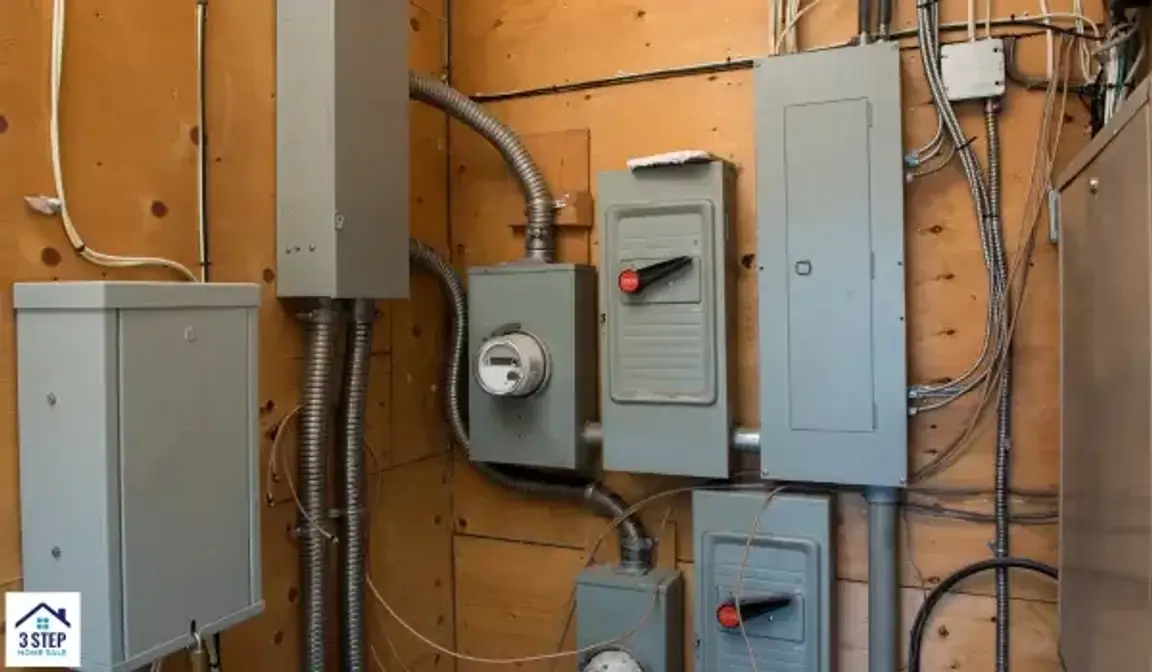
Can I Sell a House With No Utilities Connected?
Yes, you can sell a house with no utilities connected, even though it may seem difficult at first. Most traditional buyers rely on mortgage lenders and inspections, which usually require running water, electricity, and other working systems. But that doesn’t mean you can’t sell. Cash buyers and investors often purchase homes exactly like this, no lights, no water, no problem, because they’re able to buy as-is and handle the repairs themselves.
That’s where 3 Step Home Sale can make things easy. We specialize in buying properties just like yours in Maryland and Virginia houses without utilities, damage, or updates. You don’t have to reconnect services, make repairs, or spend a dime before selling. We buy houses for cash fast, handle all the details, and close on your timeline. With us, you can skip the stress, sell your home exactly as it is, and walk away with cash in hand.
Is it legal to sell a house with no utilities?
Yes, completely legal. There is no law that requires utilities to be active at the time of sale. What the law does require is disclosure, you must tell buyers in writing that utilities are currently disconnected.
Required disclosures typically include:
- Which utilities are off (power, water, gas, or all three)
- How long they’ve been disconnected
- Whether any damage resulted from the disconnection (frozen pipes, mold from lack of ventilation, etc.)
- Whether disconnection is temporary or permanent
Even with a cash buyer, you must disclose. The “cash sale means no disclosures” belief is a myth, and failing to disclose can expose you to lawsuits after closing.
The good news: cash buyers already expect these issues. They buy as-is specifically because they plan to handle the repairs and reconnections themselves after purchase.
When do you turn off utilities when selling a house?
If you’re actively living in the property, keep utilities on until the day of closing, your purchase agreement will specify an exact transfer date. But if the home is already vacant, the answer depends on how you’re selling.
Traditional (MLS) sale
- Keep utilities on during listing and showings
- Turn off after closing — the day ownership transfers
- Buyer typically takes over utility accounts at closing
- Lenders may require active utilities for appraisal
Cash/as-is sale
- Utilities can already be off — no appraisal or inspection required
- Disclose disconnection status upfront in writing
- No need to reconnect before or during the sale
- Cash buyer handles reconnection after they take ownership
If utilities were shut off for non-payment and you’re considering a traditional sale, weigh the reconnection cost carefully. Reconnection fees, overdue bill balances, and months of active service while waiting for a buyer to close can easily run into thousands of dollars, often more than the price difference between a cash offer and a traditional listing.
Do you have to keep utilities on when selling a house?
No, if you’re selling to a cash buyer or investor, you don’t have to keep utilities on at any point during the sale.
Here’s when utilities become an issue: traditional buyers use mortgage lenders, and lenders require a home inspection and appraisal. Inspectors need electricity to test outlets, HVAC, and appliances. Appraisers assess habitable condition, and a home without running water is often flagged as uninhabitable, which can kill a conventional mortgage approval entirely.
Cash buyers bypass all of that. No lender, no inspection requirement, no appraisal. That’s why a home with no utilities is typically unsellable on the traditional market but very sellable to the right buyer.
What happens to unpaid utility bills when you sell?
Unpaid utility bills can become liens on your property, meaning the utility company has a legal claim to be paid from the proceeds of your sale. Here’s what actually happens at closing:
 Title search uncovers any liens
The title company runs a full search before closing. Every outstanding lien, including water, sewer, electricity, and gas, shows up here.
 Liens are paid from your sale proceeds
The lien amount is deducted from what you receive at closing, you typically don’t pay anything out of pocket beforehand. If your unpaid water bill is $1,200, that $1,200 comes out of your proceeds.
 Title is transferred clean
Once liens are resolved, ownership transfers to the buyer with a clear title. The buyer is not responsible for your prior utility debt.
 Cash buyers like 3 Step Home Sale factor outstanding utility liens into the closing process, you don’t have to negotiate with the utility company yourself or come up with cash upfront.
Should you turn utilities back on temporarily for showings?
Only if you’re pursuing a traditional listing. Even then, run the math first:
- Reconnection fees (often $50–$300 per utility)
- Any overdue balance that must be paid to restore service
- Monthly carrying costs while you wait for a buyer to close (typically 45–90 days)
- Repairs required before utilities can be safely restored (e.g., pipe damage from a freeze)
If the property has been vacant for a long time or already has utility-related damage, the cost to restore can exceed the benefit. In that situation, a cash sale eliminates the entire calculation, no reconnection needed, no carrying costs, close in 7–14 days.
Who buys houses with no utilities?
Three types of buyers routinely purchase homes in this condition:
- Cash home buyers: companies like 3 Step Home Sale that buy as-is, handle all repairs and reconnections post-purchase, and close in days without lender approval.
- House flippers: individual investors who renovate and resell. They pay cash and move fast. A home with no utilities means lower competition and a discounted entry price for them.
- Rental investors / landlords: investors planning to restore the property, reconnect services, and rent it out. They value speed and simplicity over condition.
All three have the same thing in common: they see a property’s potential, not its current state.
How to sell a house with no utilities: step by step
Identify which utilities are off and why
Shutoff for nonpayment vs. voluntary disconnection affects what you’ll need to disclose and whether liens exist.
Check for outstanding bills and liens
Contact the utility companies directly, or request a title search. Knowing the lien amount upfront avoids closing-day surprises.
Decide on your selling method
Traditional sale requires utilities on and repairs made. Cash sale: skip all of that, sell as-is, close in 7–14 days.
 Disclose everything in writing
Which utilities are off, how long, any resulting damage. This protects you from legal disputes after closing.
 Request a cash offer
Reach out to 3 Step Home Sale. You’ll receive a no-obligation offer within 24 hours, no inspection, no fees, no repairs required.
 Close and get paid
The title company handles the lien payoffs and paperwork. You walk away with cash, typically within 14 days of accepting the offer.
Wrapping Up!
Selling a house with no utilities can feel stressful, but it doesn’t have to stop you from moving forward. Even if the power or water is off, your home still has value. What matters most is knowing your options and choosing what’s best for your situation. Sometimes the right decision means letting go and starting fresh.
Every house, no matter its condition, has potential when handled with care and patience. Take time to understand what works for you, you might find that this challenge opens the door to a better, simpler next chapter.
Frequently Asked Questions
Can I sell my house if it has no electricity, water, or gas?
Yes, you can legally sell with no utilities active. Cash buyers purchase properties in this condition routinely. You must disclose the disconnection in writing, but you do not need to restore services before selling.
Do I have to keep utilities on when selling a house?
No, not if you’re selling to a cash buyer or investor. Traditional buyers using mortgage financing may require utilities for inspections and appraisals, but cash buyers skip those steps entirely.
When should I turn off utilities when selling my house?
If you’re living in the home, keep utilities on through closing day. If the home is already vacant and you’re selling to a cash buyer, utilities can be off before, during, and throughout the sale — no reconnection needed.
What happens to my unpaid utility bills at closing?
Unpaid bills that have become liens on the property are paid from your sale proceeds at closing — you usually don’t have to come up with cash out of pocket. The title company handles the payoffs as part of the closing process.
How can I sell my house fast if it doesn’t have working utilities?
The fastest way to sell a house with no utilities is to work with a local cash home buyer who purchases homes as-is. These buyers can close in days without inspections, bank approvals, or utility turn-ons. This helps you save time, skip repairs, and move forward with a guaranteed sale.
Still Have Questions? Visit our FAQ page.
Sell Your House Fast In:
Virginia Beach | Alexandria | Arlington | Rockville | Silver Spring | Germantown