
Key Takeaways
- A Virginia as-is home sale is entirely legal – you are not required to make any repairs before selling.
- Virginia’s caveat emptor rule protects sellers from liability for patent defects, but does NOT protect sellers who knowingly conceal latent defects
- You must disclose known material defects in writing under the Virginia Residential Property Disclosure Act before any contract is signed
- Cash buyers are the most practical buyer pool for homes needing significant work, no financing contingencies, no inspection repair requests, no delays
- A direct cash sale typically closes in 7 to 21 days, eliminating carrying costs and the uncertainty of a traditional listing
Table of Contents
- Do You Have to Make Repairs Before Selling in Virginia?
- Cosmetic vs. Structural Issues: Knowing the Difference
- The Topic Most Blogs Miss: Patent vs. Latent Defects in Virginia
- Virginia Disclosure Requirements When Selling As-Is
- Should You Repair or Sell As-Is?
- How to Price a House That Needs Repairs in Virginia
- Required Paperwork
- Your Selling Options
- Frequently Asked Questions (FAQs)
Most Virginia homeowners think selling as-is is simple, sign the contract, hand over the keys, and walk away clean. The reality is more nuanced, and understanding the difference could save you from significant legal and financial exposure.
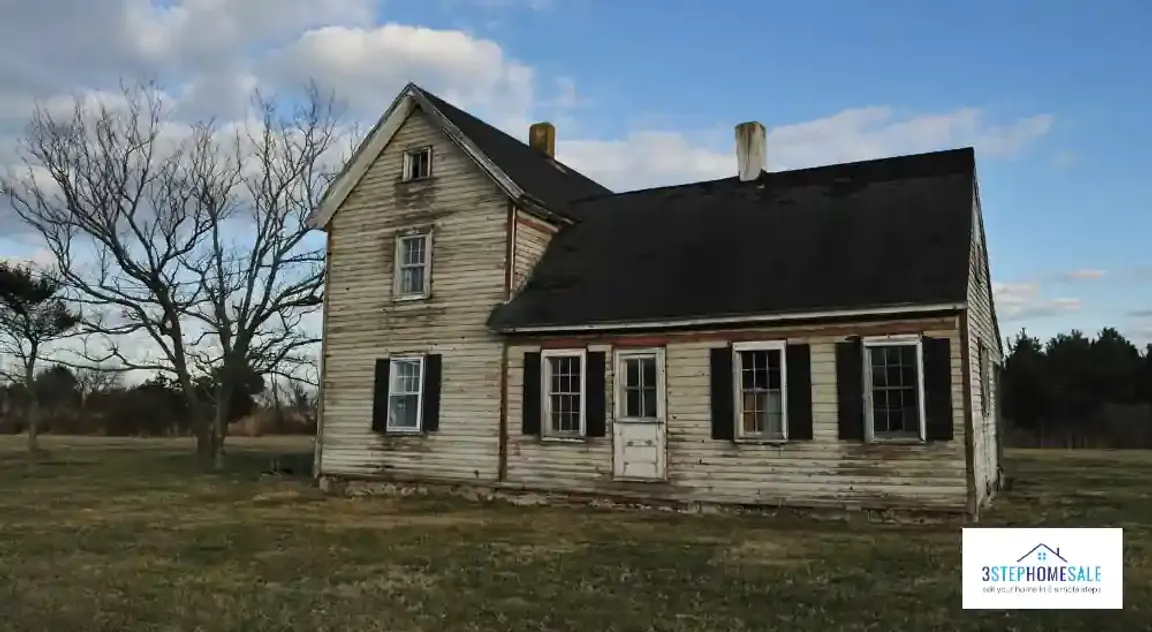
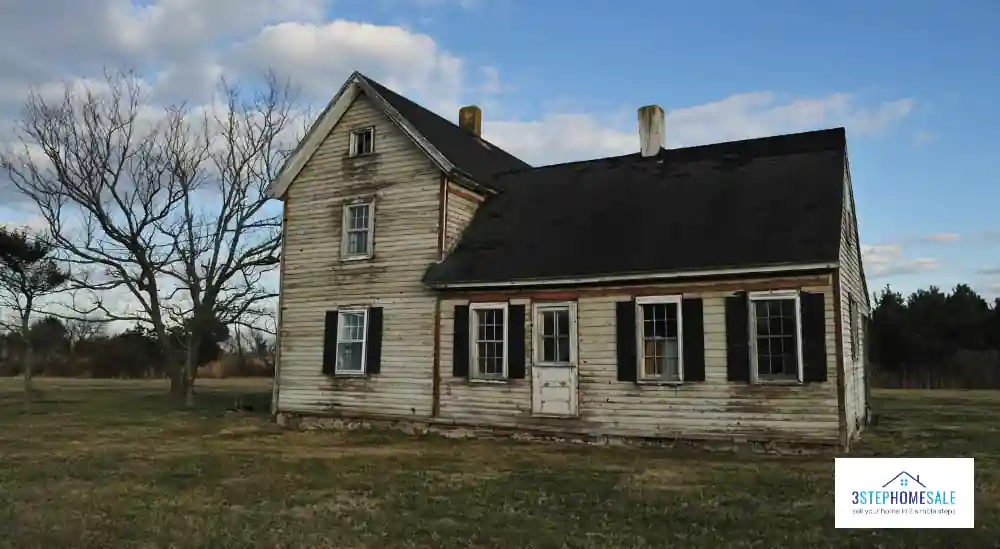
If your Virginia home needs repairs, whether it is a roof that needs replacing, foundation issues, outdated electrical, water damage, or years of deferred maintenance, selling does not have to mean spending money you do not have. Virginia homeowners can sell a house in any condition, as-is, without making a single repair.
What matters is understanding your legal obligations, pricing the home correctly, and choosing the right type of buyer. This guide covers all three, including one critical legal distinction most Virginia sellers and even real estate agents are not aware of.
Do You Have to Make Repairs Before Selling in Virginia?
No. Virginia law does not require homeowners to make repairs before selling. You can sell your home in its current condition, regardless of the extent of the damage or number of code violations.
What Virginia law does require is that you disclose known material defects to buyers. There is an important distinction here:
- You are not required to fix a foundation crack before selling
- You are required to disclose that you know the foundation crack exists
This distinction protects buyers from purchasing a home with hidden defects they were not told about, while giving sellers the flexibility to sell without investing in repairs they cannot afford or do not want to make.
One exception: if your home has received a condemnation notice from a local Virginia authority, you are still permitted to sell, but the condemnation status must be disclosed and your timeline to act may be compressed.
Related reading: Can You Sell a Condemned House in Virginia?, If your home has received a condemnation notice due to its condition, this guide covers your rights and options.
Cosmetic vs. Structural Issues: Knowing the Difference
The type of repairs needed directly affects your buyer pool and realistic sale price.
- Cosmetic issues affect appearance but not safety or function: outdated fixtures, worn carpets, peeling paint, dated appliances, or overgrown landscaping. These rarely deter cash buyers or investors and are relatively inexpensive to address.
- Structural and mechanical issues affect the safety, habitability, or integrity of the home: foundation cracks, roof failure, faulty wiring, plumbing leaks, HVAC failure, mold, water intrusion, or pest infestations. These must be disclosed if known, significantly affect market value, and are the primary reason most retail buyers and mortgage lenders pass on a property. Cash buyers and investors are the most realistic buyer pool for homes with these issues.
Getting a contractor estimate for major structural items, even if you are not making repairs, gives you credibility with buyers and helps you justify your asking price.
The Topic Most Blogs Miss: Patent vs. Latent Defects in Virginia
This is the section most Virginia real estate blogs skip entirely, and it is one of the most important things a seller needs to understand before signing an as-is contract.
Virginia is a caveat emptor state, but only for patent defects.
Virginia follows the legal doctrine of caveat emptor, or “buyer beware,” which means buyers are generally responsible for discovering and evaluating a property’s condition before purchasing. Under this doctrine, a seller is not liable for defects a buyer could have found through a reasonable inspection.
These are called patent defects, visible or discoverable problems a competent inspection would reveal. Examples include obvious roof wear, visible water stains, clearly outdated electrical panels, or a cracked driveway. If a buyer purchases a home as-is and later discovers a patent defect they could have found during a standard inspection, they generally cannot hold the seller liable under Virginia law.
But caveat emptor does not protect sellers who conceal latent defects.
A latent defect is a hidden condition that is not visible or discoverable through a reasonable inspection, something the seller knows about but a buyer could not reasonably find on their own. Examples include:
- A known history of recurring basement flooding that was painted over before listing
- Structural damage hidden behind recently installed drywall
- A sewage system failure the seller knew about but never disclosed
- A history of mold remediation that was cosmetically concealed
Under established Virginia case law, sellers who knowingly conceal latent defects, or who make affirmative misrepresentations about the property’s condition, can be held liable for fraud or fraudulent concealment even on an as-is sale. The as-is language in a contract does not shield a seller who actively hides a known problem.
The leading Virginia case on this point is Armentrout v. French (1981), in which the Virginia Supreme Court held that a seller’s fraudulent concealment of a known defect overrides the as-is nature of a sale. This principle has been consistently applied by Virginia courts in subsequent cases.
What this means for you as a seller:
- Disclosing everything you know about the property is not just a legal formality, it is your primary protection against post-sale liability
- “Selling as-is” protects you from buyer complaints about problems they could have found but chose not to investigate
- “Selling as-is” does NOT protect you from liability for problems you knew about and deliberately hid
- When in doubt, disclose, a written disclosure creates a record that you were transparent, which is your best legal defense
This distinction is why working with a Virginia real estate attorney before closing is strongly recommended for properties with known significant issues. The Virginia State Bar lawyer referral service can connect you with a qualified real estate attorney in your area.
Get An Offer Today & Pick Your Close Date
Fill Out the Form and Our Team Will Call With Your Offer
Virginia Disclosure Requirements When Selling As-Is
Under the Virginia Residential Property Disclosure Act (Virginia Code Section 55.1-700), sellers must provide buyers with a written disclosure statement before a purchase contract is finalized. This statement requires disclosure of known material defects including:
- Mold or moisture intrusion
- Water damage or flooding history
- Structural damage including foundation issues
- Roof condition and known leaks
- Faulty or outdated electrical or plumbing systems
- Pest infestations
- Active condemnation notices or code violations
Lead-based paint disclosure: If your Virginia home was built before 1978, federal law requires a separate lead-based paint disclosure under the Residential Lead-Based Paint Hazard Reduction Act. You do not need to test for lead paint, but if you are aware of its presence, you must disclose it.
You are only required to disclose defects you are actually aware of, you are not required to hire an inspector to discover new problems. However, knowing about an issue and failing to disclose it creates exactly the latent defect liability described in the section above.
Should You Repair or Sell As-Is?
Repair and sell if:
- The repairs are primarily cosmetic and relatively inexpensive
- You have the time and cash to complete repairs before listing
- The after-repair value significantly exceeds the repair cost plus carrying costs
- Your property is in a high-demand Virginia market where move-in ready homes command a strong premium
Sell as-is if:
- Repairs would cost more than the value they add
- You cannot afford the upfront repair costs
- You need to sell quickly and cannot wait 3 to 6 months for repairs and listing
- The property has structural, mold, water, or other serious issues that may reveal additional problems during renovation
- You have inherited the property and do not want to manage a renovation
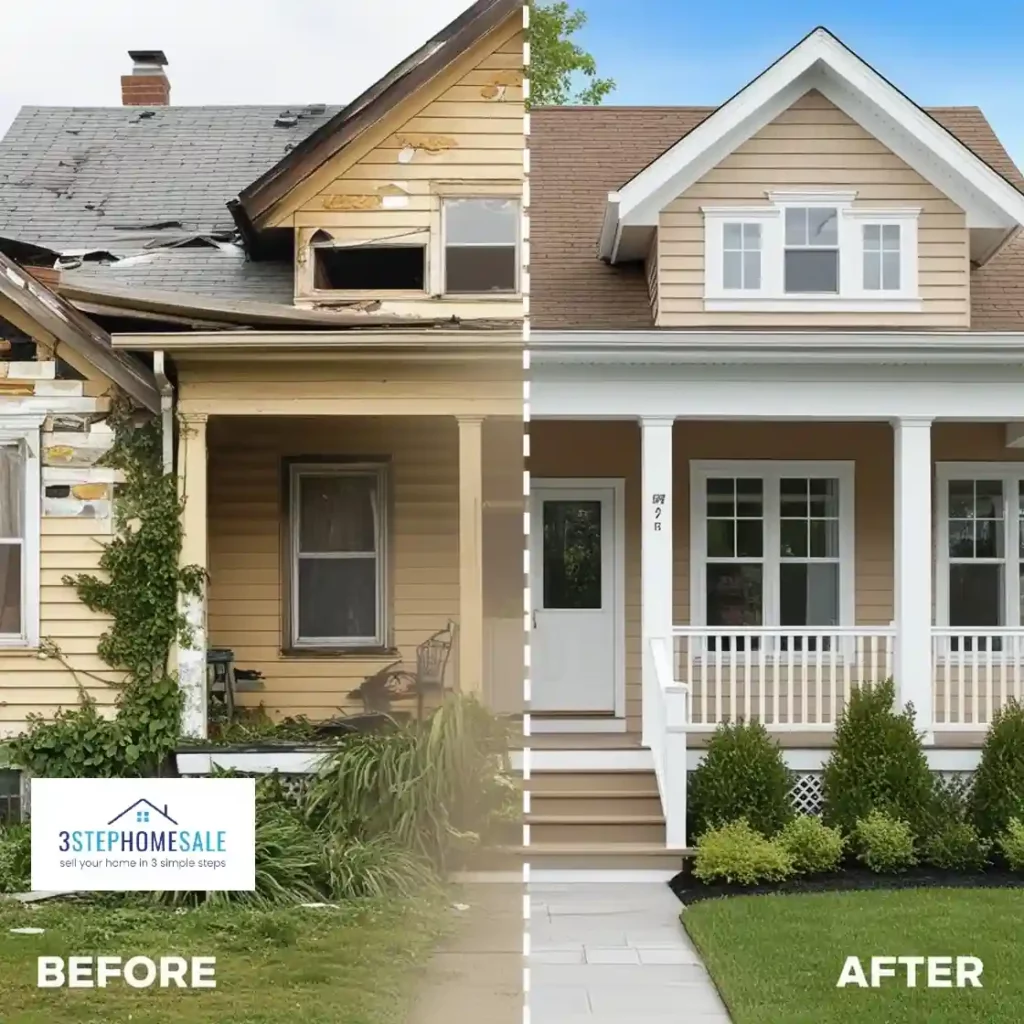
The honest math: a full repair-and-list approach may achieve a higher gross price, but after subtracting repair costs, agent commissions (typically 5 to 6%), and carrying costs during the listing period, the net proceeds are often comparable to a direct cash sale. Getting a cash offer first costs nothing and gives you a concrete number to compare.
Related reading: Selling a Fire Damaged House in Virginia, If fire damage is the primary repair issue, this guide covers your specific options and insurance considerations.
How to Price a House That Needs Repairs in Virginia
Start with after-repair value (ARV).
The ARV is what the home would be worth fully renovated. Cash buyers and investors use ARV as their starting point, subtract estimated repair costs and their required return, then make an offer. Understanding this math helps you evaluate whether any offer you receive is fair.
Price to reflect condition from day one.
Homes that need repairs priced at or near move-in-ready comparable sales will sit on the market, accumulate days on market, and eventually sell for less than if they had been priced correctly from the start.
Factor in carrying costs.
Every month your home does not sell costs you money, mortgage payments, property taxes, insurance, and maintenance. A cash offer that closes in 10 days eliminates those costs entirely. Factor that into your comparison when evaluating offers.
As-is homes in Virginia typically sell for 10 to 30% below the after-repair market value, depending on severity of issues, location, and market conditions.

Paperwork and Legal Requirements When Selling a House That Needs Work
When selling a house that needs work, especially if you plan to sell it as-is, the legalities and paperwork become critically important. To avoid future disputes or legal trouble, you must follow specific regulations in Virginia, especially regarding the disclosure of defects and the condition of your property. The goal is to ensure a smooth transaction while protecting yourself as a seller.
- Residential Property Disclosure Form
- One of the most important documents required when selling a house in Virginia is the Residential Property Disclosure Form required by state law before a purchase contract is finalized. Must be answered truthfully. Failing to disclose known issues can result in legal action after closing even on an as-is sale.
- As-Is Addendum
- When selling a house as-is, you’ll also need an as-is addendum attached to the purchase agreement. This document indicates that the buyer understands the home is being sold in its current condition, with no obligation on the seller to make repairs or improvements. It helps protect you from being held liable for defects discovered after the sale is complete.
- The as-is addendum ensures both parties are on the same page regarding the home’s condition and prevents post-sale disputes over repairs.
- Lead-Based Paint Disclosure (if applicable)
- If your house was built before 1978, federal law requires you to include a lead-based paint disclosure form in the sale. This form alerts buyers to the potential presence of lead-based paint, a common hazard in older homes. You do not need to test for lead-based paint, but if you know it exists, you must disclose that information.
- Other Documents and Considerations
- In addition to the above forms, you’ll also need:
- Sales contract: The official agreement between you and the buyer outlining the terms of the sale.
- Title documents: To prove ownership and transfer the title to the buyer.
- Closing statement: A detailed breakdown of the costs associated with the sale, including agent commissions, legal fees, and any remaining mortgage balance.
- Finally, be sure to consult a real estate attorney or agent familiar with Virginia’s laws to ensure you’re following all necessary legal steps.
- In addition to the above forms, you’ll also need:
Your Selling Options
Option 1: Sell to a Cash Buyer (Fastest, Simplest)
For Virginia homeowners with properties that need significant work, a direct cash sale is almost always the most practical option. Cash buyers purchase homes in any condition, foundation issues, roof damage, mold, outdated systems, fire damage, with no repair requests, no financing contingencies, and no delays.
3 Step Home Sale buys homes throughout Virginia in any condition. We provide a free, no-obligation cash offer within 24 hours and can close in as little as 7 days.
Option 2: List As-Is with a Real Estate Agent
You can list a home as-is on the open market with a real estate agent. This reaches a broader buyer pool and may achieve a higher price, but comes with agent commissions of 5 to 6%, a longer timeline of 60 to 90 days minimum, and the risk of financed buyers backing out after inspection. Works best for homes with primarily cosmetic issues in desirable Virginia markets.
Option 3: Make Targeted Repairs and List
If your home has a small number of high-impact repairs that would significantly increase its appeal, targeted improvements before listing can be worthwhile. Focus on repairs with the highest return, fresh paint, functional fixtures, clean carpets, rather than full renovations.
Related reading: Can You Sell a House in Foreclosure in Virginia?, If carrying costs from deferred repairs have created mortgage pressure, this guide covers your options before foreclosure proceeds.
Conclusion
Selling a house that needs work doesn’t mean you’re out of luck, or that you have to settle for less than what your home is worth. With the right strategy and mindset, you can still walk away with a solid deal, even if the property isn’t in perfect shape. Whether your home is in Arlington, Fairfax, Alexandria, Mechanicsville, or Vienna, there are plenty of buyers out there—especially investors and cash buyers, looking for homes with potential.
By understanding your home’s condition, being honest about what needs work, and pricing it strategically, you can attract the right buyer who sees past the flaws. Whether you choose to sell as-is, skip the renovations, or accept a fast cash offer, the key is finding the path that fits your timeline and financial goals.
Selling a fixer-upper doesn’t have to be stressful. With a clear plan and the right support, you can move forward with confidence and turn that “needs work” property into a win.
This content is for informational purposes only and is not legal advice. Consult a qualified Virginia real estate attorney for guidance specific to your situation.
Frequently Asked Questions
Can you sell a house as-is in Virginia without making any repairs?
Yes. Virginia law does not require sellers to make repairs before selling. You can sell in any condition to any willing buyer. The key obligation is disclosing known material defects in writing, you are not required to fix them, but you cannot conceal them.
Does selling as-is protect me from all liability in Virginia?
No, and this is the most important thing Virginia sellers need to understand. Selling as-is protects you from buyer complaints about patent defects they could have discovered through a reasonable inspection. It does not protect you from liability for latent defects, hidden problems you knew about and failed to disclose. Virginia courts have consistently held that fraudulent concealment of known defects overrides the as-is nature of a sale.
What repairs are legally required before selling a house in Virginia?
Virginia does not mandate specific repairs before a home can be sold. However, if your home has an active condemnation notice or code violation order, you must disclose that status to buyers. Beyond disclosure, no repairs are legally required before closing.
Do you have to disclose water damage or mold when selling as-is in Virginia?
Yes. Under the Virginia Residential Property Disclosure Act, sellers must disclose known material defects including water damage, mold, and moisture intrusion, regardless of whether the home is being sold as-is. Concealing these issues creates latent defect liability that an as-is contract does not eliminate.
How fast can you sell a house that needs repairs in Virginia?
With a cash buyer, a Virginia home needing repairs can close in as little as 7 to 14 days. A traditional listing for an as-is property typically takes 60 to 90 days to find a buyer, plus 30 to 45 days to close. For most sellers with significant repair needs, a cash sale is the faster and more predictable path.
How much less will I get selling a house as-is in Virginia?
As-is homes in Virginia typically sell for 10 to 30% below after-repair market value, depending on severity of issues, location, and market conditions. However, after subtracting agent commissions, repair costs, and carrying costs during a traditional listing period, the net difference between a cash sale and a repaired retail sale is often smaller than sellers expect.
Sell Your House For Cash In:
Arlington | Falls Church | Woodbridge | Norfolk | Vienna