
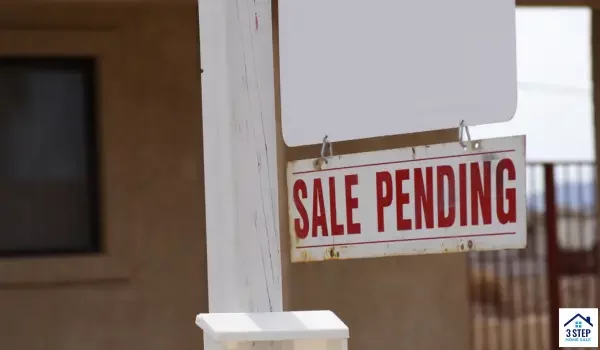
Why Homes Get Delisted and How to Sell Anyway
If your house isn’t selling, the experience can feel exhausting and discouraging. You listed with hope, prepared the property, adjusted your schedule for showings, and waited—only to see little or no movement. Eventually, many homeowners face the same reality: their home gets delisted without selling.
This situation is more common than most sellers realize. Every year, a large percentage of homes are listed on the market and never reach the closing table. When that happens, sellers are left asking difficult questions:
- Why didn’t my home sell?
- Should I relist or wait?
- Am I losing money every month?
- Is there a faster, more reliable way to sell?
In this in-depth guide, we’ll explore why homes get delisted, the hidden costs of waiting, why relisting often fails, and how many homeowners are choosing to sell your house for cash as a practical alternative. We’ll also explain how a fast cash offer can remove uncertainty and help you move forward without more delays.
What It Really Means When a House Is Delisted
A house is considered delisted when it is removed from the Multiple Listing Service (MLS) without selling. This can happen for several reasons:
- The listing agreement expired
- The seller chose to cancel the listing
- A buyer backed out and the seller paused marketing
- The agent advised removing it due to low activity
While delisting may feel like a neutral reset, it often creates a negative perception among buyers and agents. Listing history is visible, and once a home sits too long, buyers assume:
- The price is unrealistic
- The home has inspection issues
- The seller won’t negotiate
- Previous deals fell apart
Even if none of these are true, perception alone can significantly reduce buyer interest.
Why Homes Fail to Sell on the Traditional Market
Many homes don’t sell for reasons that go far beyond “needing a price drop.” Here are the most common issues—and why relisting often doesn’t solve them.
1. Overpricing Creates Instant Buyer Resistance
Overpricing is the #1 reason homes sit unsold. Sellers often price based on emotion, financial needs, online estimates that ignore condition, or advice meant to secure the listing.
Today’s buyers compare dozens of homes instantly. If your price is higher than similar properties, especially when updates are needed, buyers skip it before scheduling a showing.
Once a home lingers on the market:
- Showings drop after the first 30 days
- Price cuts feel reactive
- Buyers wait for steeper discounts
Many sellers end up delisting out of frustration.
2. Condition Issues Block Financing
Homes that need repairs struggle in the retail market. Common red flags include roofing issues, foundation movement, outdated systems, water damage, mold, or major kitchen and bath updates.
Even motivated buyers often can’t move forward because:
- Lenders deny loans
- Appraisals come in low
- Repair costs exceed loan limits
As a result, these homes perform poorly on the MLS—even at reduced prices.
3. Failed Contracts Hurt Buyer Confidence
Offers that fall apart due to financing issues, low appraisals, inspections, or buyer circumstances leave a visible trail. Each failed deal increases:
- Days on market
- Buyer skepticism
- Seller stress
After multiple failed contracts, many sellers stop relisting and look for alternative selling options.
4. Weak Marketing Holds Listings Back
Some homes fail simply because they weren’t marketed well. Poor photos, weak descriptions, limited exposure, or agents overpricing to “win” the listing all reduce buyer interest.
Without strong presentation and positioning, even solid homes get overlooked.
5. Market Conditions Worked Against You
Shifting conditions like rising interest rates, seasonal slowdowns, or increased inventory—can stall sales even when nothing was done wrong. If your home was listed during a market pullback, timing, not the property, may have been the real issue.
The Emotional and Financial Toll of an Unsold Home
A house that doesn’t sell creates more than frustration, it can feel like your life is stuck in limbo while costs keep piling up. Over time, the stress becomes both emotional (constant uncertainty) and financial (ongoing carrying expenses), especially if you’ve already tried price drops, showings, and negotiations.
Emotionally, an unsold home can bring:
- Decision fatigue: constant “Should we lower the price again?” or “Should we relist?”
- Disruption at home: keeping the property show-ready, leaving for showings, managing pets/kids/work schedules
- Anxiety and disappointment: silence after open houses, lowball offers, or deals that fall apart
- Feeling stuck: delaying a move, a life transition, or plans that depend on the sale
Financially, the costs usually continue every month:
- Mortgage payments (principal + interest)
- Property taxes
- Homeowners insurance
- Utilities (even if vacant)
- HOA fees (if applicable)
- Maintenance and upkeep (lawn care, cleaning, small repairs, pest control)
- Opportunity costs (missed job relocation, delayed purchase of another home, or paying for temporary housing/storage)
Why this matters: the longer you wait, the more you may spend just to keep the home, sometimes enough to cancel out the upside of holding out for a higher offer. That’s often the point when sellers shift from “Let’s try again” to “Let’s get certainty,” and start considering cash offers as a faster, more predictable way to move on.
Why Relisting Often Repeats the Same Outcome
Relisting with a new agent doesn’t automatically reset buyer perception.
Buyers can still see:
- Previous list dates
- Price reductions
- Time on market
Unless you:
- Make major repairs
- Lower the price significantly
- Wait for market conditions to improve
Unless the price or condition changes dramatically, relisting usually leads to more time, more stress, and more carrying costs.
How Cash Buyers Solve the “House Not Selling” Problem
When a home won’t sell the traditional way, cash buyers offer a simpler alternative built around certainty and speed. Most cash buyers purchase homes as-is, so you can avoid repairs, staging, and stressful inspection negotiations—especially if your property already failed inspection or needs updates. A fast cash offer also removes common reasons deals fall apart, like financing delays, low appraisals, and buyer contingencies.
Closings are typically flexible too, often in 7–14 days or on a timeline that fits your move. Because the sale is direct, many sellers also avoid agent commissions and surprise repair credits, making the numbers easier to predict. And unlike retail buyers, cash buyers aren’t spooked by listing history—they focus on condition, repair costs, and market value, which is why a cash sale can still work even after a listing didn’t.
Who Should Consider a Cash Offer After a Failed Listing?
A cash offer isn’t only for “problem houses”, it’s for homeowners who want a simpler, more predictable exit after the traditional route hasn’t worked. If you’ve already listed and your home still didn’t sell, a cash option can help you avoid repeating the same cycle of showings, price drops, and uncertainty.
Cash offers are especially helpful if:
- Your house didn’t sell after 60–90 days: Once a listing goes stale, interest often drops fast. A cash buyer can bypass the MLS slowdown and give you a clear next step.
- Buyers keep backing out: If deals fall apart due to financing, appraisal, or inspection issues, cash reduces those common deal-breakers and improves certainty.
- Repairs are too costly: When fixing the roof, HVAC, foundation, or major updates isn’t realistic, selling as-is for cash can save you from sinking more money into a home you’re trying to leave.
- You’re facing foreclosure: If timelines are tight, a cash sale can move faster than a financed sale and may help you avoid further fees, missed payments, and added stress.
- You inherited a problem property: If the home is outdated, needs cleaning, has deferred maintenance, or you live out of state, a cash sale can simplify the process without renovations or weeks of prep.
- You need certainty and speed: Whether you’re relocating, dealing with a life transition, or just tired of waiting, a cash offer gives you a defined timeline often with flexible closing dates to match your move.
Common Myths About Selling for Cash
Selling for cash can sound almost too easy—especially after dealing with listings, showings, and failed deals. Since it’s different from the traditional route, it’s also easy to hear misinformation. Here are a few common myths worth clearing up:
Myth: Cash offers are always unfair
Reality: The offer isn’t the whole story, what you net matters. Traditional sales often include commissions, repair credits, staging/cleaning, and ongoing holding costs. Many sellers come out ahead (or close) by skipping those expenses and selling as-is.
Myth: Only distressed homes qualify
Reality: Cash buyers purchase all types of homes. Sellers choose to sell your house for cash for speed, convenience, relocation, inherited properties, landlord situations, or to avoid showings, not just because a home is in bad shape.
Myth: Cash sales are risky
Reality: A fast cash offer can reduce risk because there’s no lender involved. Just make sure the buyer uses a licensed title company or attorney, provides clear written terms, and doesn’t pressure you or ask for unusual upfront fees.
Final Thoughts: A Delisted Home Isn’t the End—It’s a Pivot Point
When a house doesn’t sell, it isn’t failure; it’s the market giving you clear feedback on price, condition, timing, or buyer financing. If relisting feels exhausting, holding costs are stacking up, or repairs just aren’t realistic, a cash sale can be a practical way to move forward without more delays. A fast cash offer replaces uncertainty with a clear next step, and for many homeowners, that peace of mind is worth more than chasing the “perfect” offer that may never come.
Sell Your House Fast In:
Arlington | Norfolk | Virginia Beach | Germantown | Upper Marlboro | Waldorf