


Key Takeaways
- Selling a house as-is in Florida means you are selling the property in its current condition without making repairs, but it does not eliminate your legal obligation to disclose known material defects under Florida Statutes § 689.261
- Most conventional buyers using FHA, VA, or traditional mortgage financing cannot purchase an as-is Florida property if it fails minimum property condition standards required by their lender
- The as-is buyer pool in Florida is primarily made up of cash buyers, real estate investors, and buyers willing to pay for repairs out of pocket after closing
- Florida’s ongoing homeowner’s insurance crisis in 2026 has further reduced the conventional buyer pool for as-is properties, particularly older homes, flood zone properties, and homes with aging roof systems
- Pricing an as-is property correctly is the single most important factor in whether a traditional as-is listing succeeds, and most sellers price too high based on post-repair comparable sales
- Selling directly to a cash buyer eliminates the need to list, show, negotiate repairs, or worry about financing falling through at the inspection stage
The phrase “as-is” gets used a lot in Florida real estate, but it means something more specific than most sellers realize. Understanding exactly what selling as-is does and does not protect you from, who can actually buy an as-is Florida property, and what the process looks like from start to finish gives you a realistic picture before you commit to a selling strategy.
What “As-Is” Actually Means in Florida Real Estate
In Florida real estate, selling as-is means you are selling the property in its current physical condition and are not agreeing to make repairs as a condition of the sale. If a buyer’s inspection reveals problems, you are not obligated to fix them or reduce the price to compensate for them.
What as-is does not mean is equally important. It does not mean you can hide known problems from buyers. It does not mean you are protected from legal liability if you fail to disclose material defects. And it does not mean buyers cannot walk away if the inspection reveals more than they bargained for.
Under Florida Statutes § 689.261, Florida sellers are required to disclose known material defects to buyers regardless of whether the property is being sold as-is. This is one of the most commonly misunderstood aspects of as-is sales in Florida. The as-is designation affects your repair obligations after the inspection, not your disclosure obligations before it.
What you must still disclose when selling as-is in Florida:
- Known foundation or structural issues
- Known roof damage or leaks
- Known plumbing or electrical problems
- Known mold or water intrusion
- Known flood zone status and any history of flooding
- Known pest or termite damage
- Known fire or smoke damage
- Any other known material defect that would affect a buyer’s decision
Failing to disclose known defects, even in an as-is sale, can result in fraud claims, misrepresentation claims, and potential rescission of the sale after closing. The as-is designation is not a legal shield against disclosure obligations.
Who Can Actually Buy an As-Is Florida Property
This is where many Florida sellers run into trouble. They list as-is expecting a normal buyer pool, then discover that most conventional buyers cannot complete the purchase.
The lender problem
When a buyer uses a conventional mortgage, FHA loan, or VA loan to purchase a property, their lender requires the property to meet minimum condition standards before approving the loan. If an as-is property has significant deferred maintenance, structural issues, roof problems, or other defects, the lender’s appraiser will flag those items and require repairs before the loan can close. This effectively eliminates most conventional buyers from an as-is purchase unless the issues are cosmetic rather than structural.
The insurance problem
Florida’s ongoing homeowner’s insurance crisis in 2026 has added another layer of complication for as-is buyers. Even if a buyer can get financing, they must also secure affordable homeowner’s insurance before their lender will approve the loan. Older homes, homes with aging roofs, and properties in flood zones often cannot be insured at rates that work within a buyer’s budget. This further reduces the pool of buyers who can actually close on an as-is Florida property. For more on this, see our post on the Florida homeowners insurance crisis.
Who is left in the as-is buyer pool:
- Cash buyers and real estate investors who do not need lender approval
- Buyers with sufficient cash reserves to pay for repairs out of pocket after closing
- Buyers using renovation loans like FHA 203(k) that allow the cost of repairs to be folded into the mortgage — though these loans have their own requirements and longer timelines
In practice, the as-is buyer pool in Florida is significantly smaller than the total buyer pool, which affects both price and time on market.
Get An Offer Today & Pick Your Close Date
Fill Out the Form and Our Team Will Call With Your Offer
As-Is Sales in Florida and the Current Market in 2026
Florida’s housing market in 2026 has shifted from the pandemic-era seller’s market to a more balanced environment where buyers have more leverage. This shift has specific implications for as-is sellers.
More inventory means buyers have choices
When inventory was at pandemic lows, buyers were willing to accept properties in poor condition because they had few alternatives. With inventory now at multi-year highs in many Florida markets, buyers have options. An as-is property has to be priced attractively enough to pull a buyer away from a similar property in better condition.
Days on market have lengthened
As-is properties have always taken longer to sell than move-in ready homes, and that gap has widened in 2026’s slower market. Sellers who need to sell on a specific timeline need to factor this reality into their strategy.
The insurance crisis is compounding the as-is problem
As we cover in detail in our Florida housing market 2026 post, rising insurance costs are eliminating buyers from the market entirely in some property categories. As-is properties that also have insurance complications face the most challenging selling environment of any property type in Florida right now.
How to Price an As-Is Property in Florida
Pricing is the single biggest factor in whether a traditional as-is listing succeeds. Most sellers make the mistake of looking at what comparable homes sold for after renovation and then trying to subtract the estimated repair costs. This approach almost always results in overpricing.
- The correct approach: Start with the after-repair value of the property based on comparable sales. Then subtract the cost of all repairs needed to reach that condition, the cost of carrying the property during the repair period, and the risk premium that an investor or cash buyer requires to take on the uncertainty of a renovation project. That risk premium is typically 10 to 20 percent of the after-repair value on top of the repair costs themselves.
For example, a home with an after-repair value of $300,000 and $40,000 in needed repairs is not worth $260,000 as-is. After accounting for carrying costs, the investor’s risk premium, and transaction costs, the realistic as-is value is more likely $220,000 to $240,000 in most Florida markets.
This gap is why many as-is listings fail. Sellers price based on emotion and comp math rather than investor economics, and the property sits until a price reduction brings it into range.property are particularly complex because the homestead restrictions apply regardless of whether there is a will.
The As-Is Sale Process in Florida — What to Expect
If you decide to list your Florida property as-is through a traditional realtor, here is what the process typically looks like:
Step 1: Pricing and listing
Work with an agent experienced in as-is sales to price the property based on investor economics, not retail comparable sales. Make sure the listing clearly states as-is and is marketed to cash buyers and investors as well as retail buyers.
Steps 2 and 3: Disclosure, Offers and negotiation
Complete Florida’s Seller’s Disclosure form honestly and completely. Disclose all known material defects. This step is legally required and protects you after closing.
As-is listings in Florida frequently attract lowball offers, particularly from investors who use aggressive pricing formulas. Be prepared for offers significantly below asking and negotiate from there. Unlike a standard sale, you are not negotiating repairs — but buyers will still use inspection findings as leverage to push the price down.
Step 4: Inspection period
Even in an as-is sale, buyers have the right to conduct inspections during the contract period. In Florida, the standard contract typically allows buyers to cancel for any reason during the inspection period. If the inspection reveals more than expected, buyers often cancel rather than negotiate, which means you start the process over.
Step 5: Financing and insurance
Buyers using conventional financing must secure both a mortgage approval and homeowner’s insurance before closing. Either of these can fall through even after a signed contract, which is one of the most common reasons as-is sales in Florida fail to close.
Step 6: Closing
If the buyer’s financing and insurance hold, closing proceeds through a title company and typically takes 30 to 45 days from accepted offer to closing for financed buyers, or 7 to 14 days for cash buyers.
Common As-Is Situations in Florida and What They Mean for Sellers
Inherited properties
Many as-is sales in Florida involve inherited properties that have been in a family for decades and have significant deferred maintenance. Out-of-state heirs frequently choose as-is sales to avoid the cost and coordination of repairs. For a detailed guide on this situation, see our post on selling inherited property in Florida.
Probate properties
Properties being sold through the Florida probate process are frequently sold as-is because the estate lacks funds for repairs and the personal representative has an obligation to sell assets efficiently.
Fire and water damaged properties
Properties with fire damage, smoke damage, or significant water intrusion are almost always sold as-is because the cost of professional remediation is substantial.
Properties facing foreclosure
Homeowners who need to sell quickly to stop foreclosure often choose an as-is sale because there is no time for repairs. For more on this situation, see our post on selling a house in foreclosure in Florida.
Job loss situations
Sellers who have lost income and cannot afford repairs often need to sell as-is. For more on this, see our post on selling a house after job loss in Florida.
Selling As-Is Directly to a Cash Buyer vs. Listing As-Is With a Realtor
Florida sellers with as-is properties have two main paths: list as-is through a realtor or sell directly to a cash buyer. Here is how those paths compare:
Listing as-is with a realtor:
- Timeline: 30 to 90+ days from listing to closing, depending on how quickly a buyer is found and whether financing holds
- Costs: Agent commission (2.5 to 3 percent listing side, buyer agent compensation negotiated separately), closing costs, carrying costs during the listing period
- Risk: Buyers can cancel during the inspection period, financing can fall through, insurance complications can kill a deal after weeks of waiting
- Potential upside: May attract a retail buyer willing to pay more than an investor
Selling directly to a cash buyer:
- Timeline: 7 to 14 days from accepted offer to closing
- Costs: None — no agent commissions, no closing costs paid by the seller
- Risk: Minimal — no financing contingencies, no insurance requirements, no inspection cancellation risk
- Trade-off: Cash offers are typically below what a retail buyer might pay, reflecting the speed, certainty, and as-is nature of the transaction
For most Florida sellers with genuinely distressed properties, the net proceeds from a direct cash sale compare more favorably to a traditional as-is listing than sellers initially expect, once carrying costs, commission, and the risk of a failed deal are factored in.
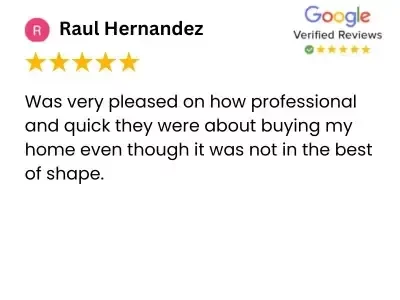
See What Homeowners Have To Say About 3 Step Home Sale
When your property needs work and a traditional listing feels out of reach, choosing the right cash buyer makes all the difference. Here’s what real homeowners have said about selling their as-is Florida home with 3 Step Home Sale.
Conclusion
Selling a house as-is in Florida is a legitimate and common path, but it works differently than many sellers expect. The as-is designation narrows your buyer pool, affects your pricing strategy, and does not eliminate your legal disclosure obligations. Understanding these realities before you list saves time, money, and frustration.
If you are considering selling your Florida property as-is, 3 Step Home Sale can give you a free cash offer in 30 minutes with no obligation. We buy as-is properties throughout Florida including Ocala, Palatka, Spring Hill, Brooksville, Dade City, Plant City, Zephyrhills, Sebring, Avon Park, Lake Wales, Okeechobee, Wauchula, Williston, and Largo.
Related reading:
- How to Sell Your House Fast for Cash
- Florida Housing Market 2026 — What Sellers Need to Know
- Florida Homeowners Insurance Crisis — What It Means If You Need to Sell
- Selling Inherited Property in Florida
- Sell a House in Foreclosure in Florida
- Job Loss in Florida? How to Sell Your House Fast
Frequently Asked Questions
Does selling as-is in Florida mean I don’t have to disclose anything?
No. Florida law under Florida Statutes § 689.261 requires sellers to disclose all known material defects regardless of whether the property is being sold as-is. The as-is designation affects your repair obligations after an inspection, not your disclosure obligations before it. Failing to disclose known defects can result in legal liability after closing.
Can a buyer with a conventional mortgage buy an as-is property in Florida?
In most cases, no — at least not without conditions. FHA, VA, and conventional lenders require properties to meet minimum condition standards before approving a loan. If the as-is property has significant defects, the lender’s appraiser will flag them and require repairs before the loan closes. This is why most as-is Florida buyers are cash buyers or investors.
How do I price an as-is property in Florida?
Start with the after-repair value based on comparable sales, then subtract repair costs, carrying costs during the repair period, and a risk premium of 10 to 20 percent that reflects the uncertainty of taking on a renovation. Most sellers overprice as-is properties by using post-repair comps and only subtracting estimated repair costs, which results in a price no investor will pay.
How long does it take to sell an as-is house in Florida?
It depends on the condition of the property, the price, and how you sell. A direct cash sale typically closes in 7 to 14 days. A traditional as-is listing through a realtor can take 30 to 90 days or longer, and has a higher risk of falling through at the inspection or financing stage.
What types of Florida properties are most commonly sold as-is?
Inherited properties, probate properties, fire and water damaged homes, properties facing foreclosure, homes with significant deferred maintenance, and properties with insurance complications are the most common as-is situations in Florida.
Is it better to make some repairs before selling or sell completely as-is in Florida?
It depends on the cost of repairs relative to the price improvement they generate. Minor cosmetic repairs that cost $2,000 to $5,000 and improve the property’s appeal to a broader buyer pool can be worth making. Major structural repairs that cost $20,000 to $50,000 rarely generate a dollar-for-dollar return in today’s Florida market, making an as-is cash sale the more financially practical option in most distressed situations.