
Key Takeaways
- Florida’s probate process is judicial and court-supervised, typically taking 6 to 12 months for a summary administration or 12 to 24 months or longer for formal administration
- Florida’s homestead law under Article X, Section 4 of the Florida Constitution creates unique complications for inherited property that can restrict how and to whom the property can be sold
- Florida has no state income tax, meaning proceeds from an inherited property sale are not subject to state taxation, a significant advantage compared to Georgia, Maryland, and DC
- The federal step-up in basis under IRC § 1014 applies to Florida inherited properties the same as every other state, reducing or eliminating federal capital gains tax for most heirs who sell shortly after inheriting
- Florida does not recognize transfer on death deeds, meaning real property almost always passes through probate rather than transferring directly to beneficiaries
- Summary administration is available for qualifying smaller estates and can dramatically reduce the time and cost of Florida probate for eligible heirs
Florida is one of the most popular states in the country for retirees, which means it is also one of the most common states for inherited property situations. When a parent or grandparent passes away leaving a Florida home, the heirs, who often live in other states, face a probate process that is longer, more court-supervised, and more legally complex than most of them expect.
This guide covers Florida’s specific probate paths, the unique homestead law complications that affect inherited property sales, the tax advantages Florida offers, and what your practical options are when you are ready to sell.
Does Inherited Property in Florida Have to Go Through Probate?
In most cases, yes. Florida does not recognize transfer on death deeds for real property, which means real estate generally passes through the court-supervised probate process rather than transferring directly to beneficiaries outside of court. This is a meaningful difference from states like Virginia, which allow transfer on death instruments that bypass probate entirely.
Florida probate is governed by Florida Statutes Chapter 733, and proceedings are handled in the Circuit Court of the county where the deceased lived.
Florida’s three probate paths
Formal Administration
The standard Florida probate process, required when the estate exceeds $75,000 in value (excluding exempt property) or when the decedent has been dead less than two years. Formal administration requires a personal representative to be appointed by the court, creditors to be notified, and assets to be inventoried before distribution. This process typically takes 12 to 24 months or longer.
Summary Administration
Available under Florida Statutes § 735.201 when the estate’s total value does not exceed $75,000 (excluding exempt property) or when the decedent has been dead for more than two years. Summary administration is significantly faster and less expensive than formal administration and is the right path for qualifying smaller estates. It can be completed in as little as 30 to 90 days.
Disposition Without Administration
Available for very small estates where the only assets are exempt property and the total does not exceed funeral expenses and final medical bills. This rarely applies to real property situations.
Get An Offer Today & Pick Your Close Date
Fill Out the Form and Our Team Will Call With Your Offer
Florida’s Homestead Law — The Complication Most Heirs Don’t See Coming
Florida’s homestead law under Article X, Section 4 of the Florida Constitution is one of the most powerful homeowner protections in any state. It also creates significant complications for inherited property that catch many heirs off guard.
- The core issue: If the deceased owned a Florida homestead property and was survived by a spouse or minor children, the property cannot be freely devised by will. Florida law restricts how homestead property passes at death. A surviving spouse has a life estate or a one-half undivided interest in the homestead, with adult children holding the remainder interest. This means multiple parties have legally protected interests in the property, all of which must be accounted for in any sale.
- What this means practically: A surviving spouse cannot sell a Florida homestead property that the couple’s adult children have a remainder interest in without the children’s consent. Adult children cannot force a sale of a property in which a surviving spouse holds a life estate without court involvement. Any sale of a Florida homestead inherited by multiple parties requires all parties to execute the deed.
For heirs who are all aligned on selling, this is a coordination challenge. For heirs who disagree, it can become a significant legal dispute.
The Florida Bar provides consumer information on homestead rights. Consulting a Florida probate attorney before making any decisions about an inherited Florida homestead is strongly recommended.
What Happens If There Is No Will in Florida?
When someone dies without a will in Florida, property passes under Florida’s intestate succession laws under Florida Statutes § 732.101. The general order of inheritance is:
- Surviving spouse and descendants share the estate, with the spouse receiving 50 percent if there are descendants from a prior relationship, or 100 percent if all descendants are shared
- If no spouse, descendants inherit in equal shares
- If no descendants, the spouse inherits everything
- If no spouse or descendants, parents inherit, then siblings, and so on
Intestate situations involving Florida homestead property are particularly complex because the homestead restrictions apply regardless of whether there is a will.
What Florida Gets Right That Most States Don’t — No Tax on Your Home Sale Proceeds
There is a financial reality about selling an inherited home in Florida that does not get enough attention: the state takes nothing from your proceeds. No state income tax, no capital gains surcharge, no withholding. Whatever you walk away with from the sale stays with you.
At the federal level, the step-up in basis under IRC § 1014 resets your cost basis to the property’s fair market value at the date of death. For most heirs who sell shortly after inheriting, this means the gain is zero or minimal. The federal exclusion under IRS Publication 523 applies to primary residences, not inherited property directly, but the step-up in basis effectively serves a similar function for inherited homes sold shortly after the owner’s death.
That changes the math in a meaningful way. Florida’s no-tax environment means selling converts equity to cash with almost no friction. That is a genuine advantage worth factoring in before making any decision about the property.
Selling During Florida Probate — What You Can and Cannot Do
What you can do: Market the property, show it to potential buyers, and negotiate a purchase price during probate. Many cash buyers will make an offer and agree to a closing date contingent on the personal representative receiving authority to transfer title.
What you cannot do: Transfer title or close on a sale before the personal representative has been appointed by the court and has received Letters of Administration. In formal administration, this typically takes 2 to 4 months from filing. In summary administration, it can be much faster.
The carrying cost reality: Florida’s formal administration process takes 12 to 24 months or longer. Property taxes, homeowner’s insurance, which can be expensive in coastal Florida markets, HOA fees in communities with active associations, and basic maintenance all continue accumulating throughout that period. Every month of delay reduces what heirs ultimately receive.
Your Options for Selling an Inherited Georgia Home
Option 1: Repair and list traditionally
For inherited properties in good condition with clear title and an aligned heir group, a traditional listing through a Florida realtor may achieve the highest gross sale price. This approach requires coordinating repairs and showings across potentially out-of-state heirs and takes 30 to 60+ days from listing to closing.
Option 2: Sell directly to a cash buyer
3 Step Home Sale buys inherited properties throughout Florida as-is, closing on a timeline that works with your probate schedule. We have purchased inherited properties across Florida including in Ocala, Palatka, Williston, Sebring, Avon Park, Okeechobee, Dade City, Plant City, Zephyrhills, Brooksville, and Lake Wales.
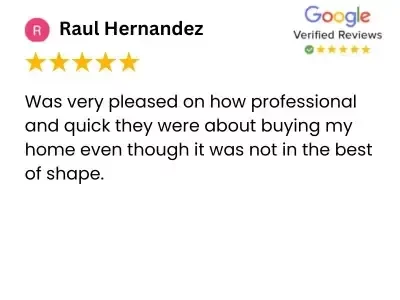
See What Homeowners Have To Say About 3 Step Home Sale
When you’re dealing with an inherited property, a difficult co-ownership situation, or simply need to sell fast, choosing who to trust matters. Here’s what real homeowners have said about working with 3 Step Home Sale.
Conclusion
Selling inherited property in Florida involves a court-supervised probate process, unique homestead law complications that require careful legal navigation, and carrying costs that accumulate through what can be a lengthy formal administration. The good news is that Florida’s no-income-tax environment means heirs keep more of what they receive than in most other states, and acting early to find a buyer before probate closes protects the most equity.
3 Step Home Sale buys inherited properties throughout Florida. Request a free cash offer today, no obligation, no repairs required.
Also see: Selling Inherited Property With Multiple Owners
Frequently Asked Questions
Does inherited property in Florida have to go through probate?
In most cases, yes. Florida does not recognize transfer on death deeds for real property. Real estate passes through the Circuit Court probate process. Summary administration is available for qualifying smaller estates and is significantly faster than formal administration.
What is Florida summary administration and do I qualify?
Summary administration under Florida Statutes § 735.201 is available when the estate’s total value does not exceed $75,000 (excluding exempt property) or when the decedent has been dead for more than two years. It can be completed in as little as 30 to 90 days and is significantly less expensive than formal administration.
What is Florida’s homestead law and how does it affect inherited property?
Florida’s homestead law under Article X, Section 4 of the Florida Constitution restricts how homestead property passes at death. If the deceased was survived by a spouse or minor children, multiple parties may have legally protected interests in the property. Any sale requires all parties to execute the deed, making heir alignment essential.
Do I owe taxes when I sell an inherited house in Florida?
Florida has no state income tax, so proceeds from the sale are not subject to state taxation. At the federal level, the step-up in basis under IRC § 1014 resets your cost basis to the property’s fair market value at the date of death, reducing or eliminating federal capital gains tax for most heirs who sell shortly after inheriting.
How long does Florida probate take before I can sell an inherited house?
Summary administration can be completed in 30 to 90 days for qualifying estates. Formal administration typically takes 12 to 24 months or longer. A cash buyer can make an offer and agree to a closing date aligned with your probate timeline, so you do not need to wait for probate to close before securing a buyer.
Can I sell an inherited Florida home as-is without repairs?
Yes. A cash buyer purchases inherited properties in their current condition, eliminating repair costs and the coordination challenges of managing renovations across multiple out-of-state heirs.
We buy inherited homes in Florida
At 3 Step Home Sale, we work with Florida heirs including out-of-state sellers, estates in probate, and properties affected by Florida’s homestead law or in need of significant repairs. We purchase as-is, close on your timeline, and handle the complexity without requiring anything of you beyond a conversation.
Visit our Florida home buyers page to learn more.
Related reading: What Florida’s Homestead Law Means for Inherited Property | How Long Does a Cash Home Sale Take to Close in Florida? | We Buy Houses in Florida